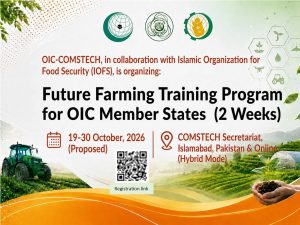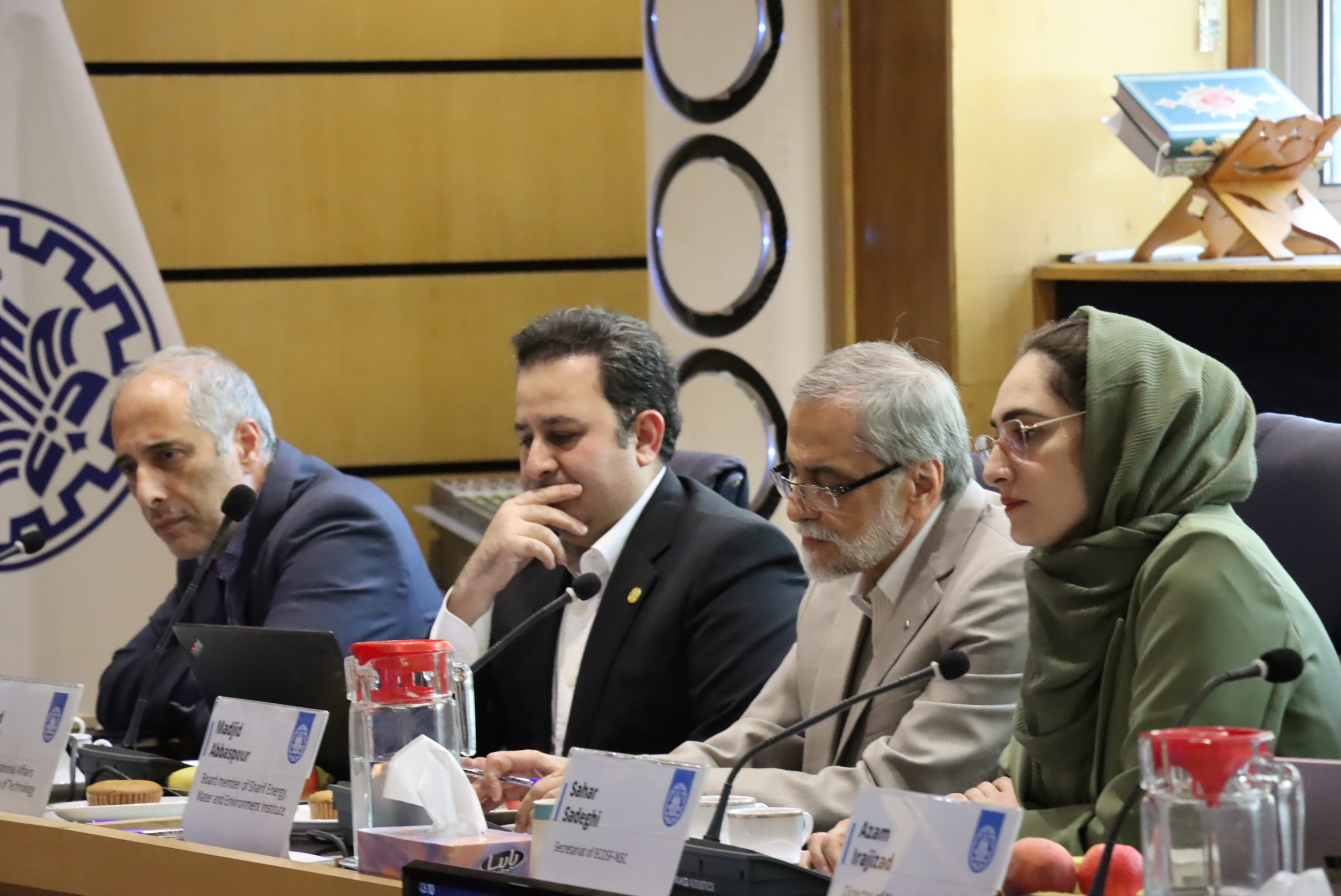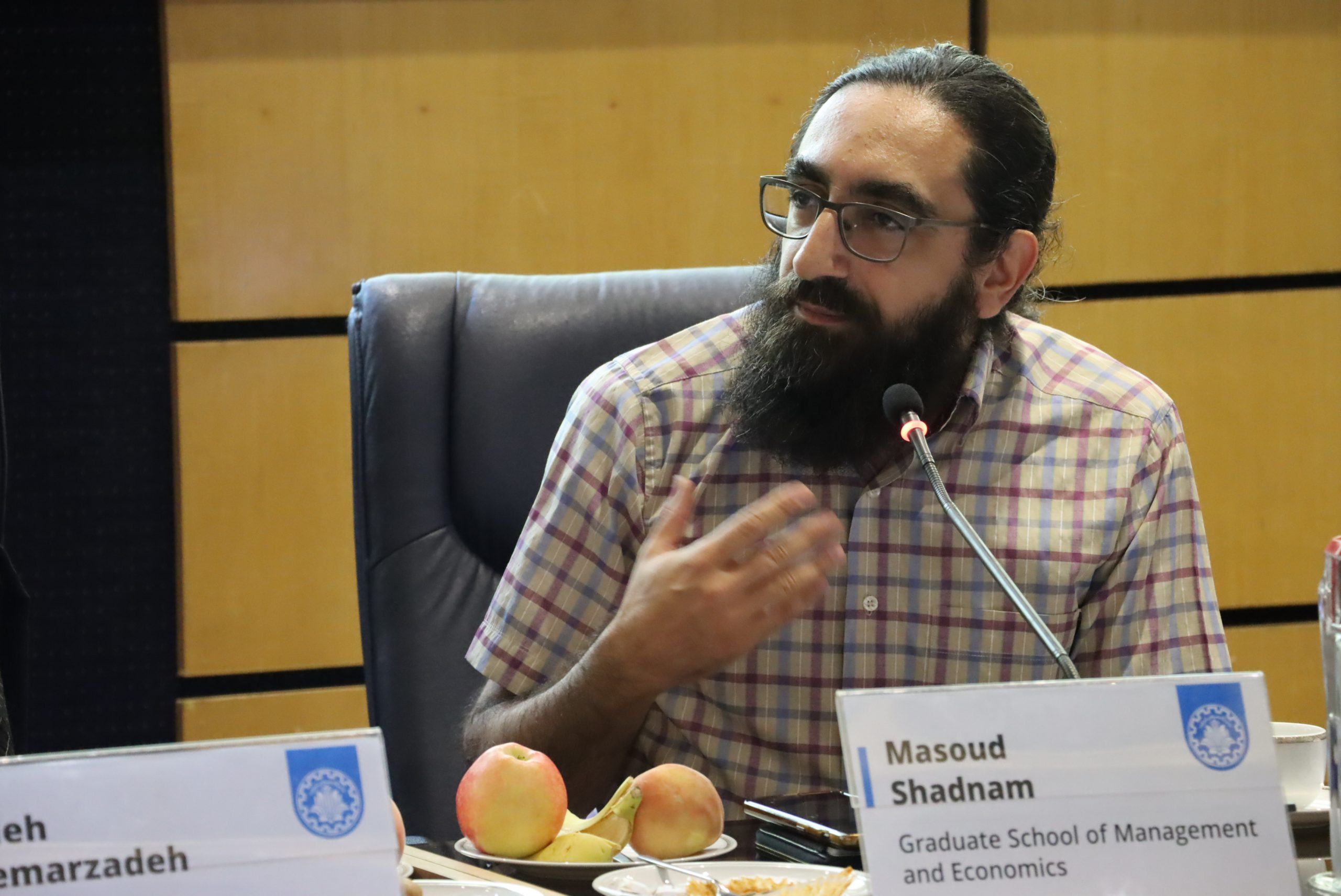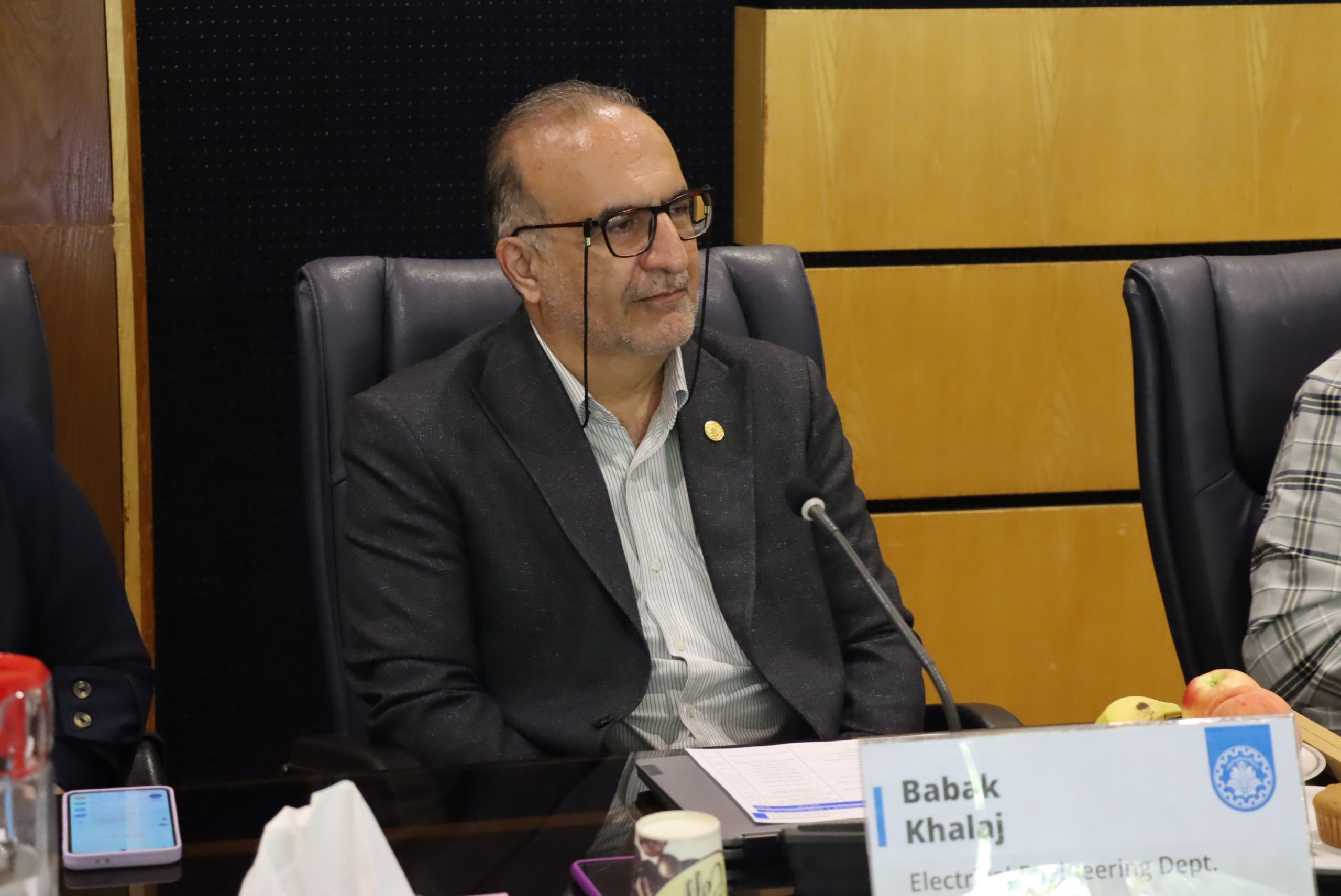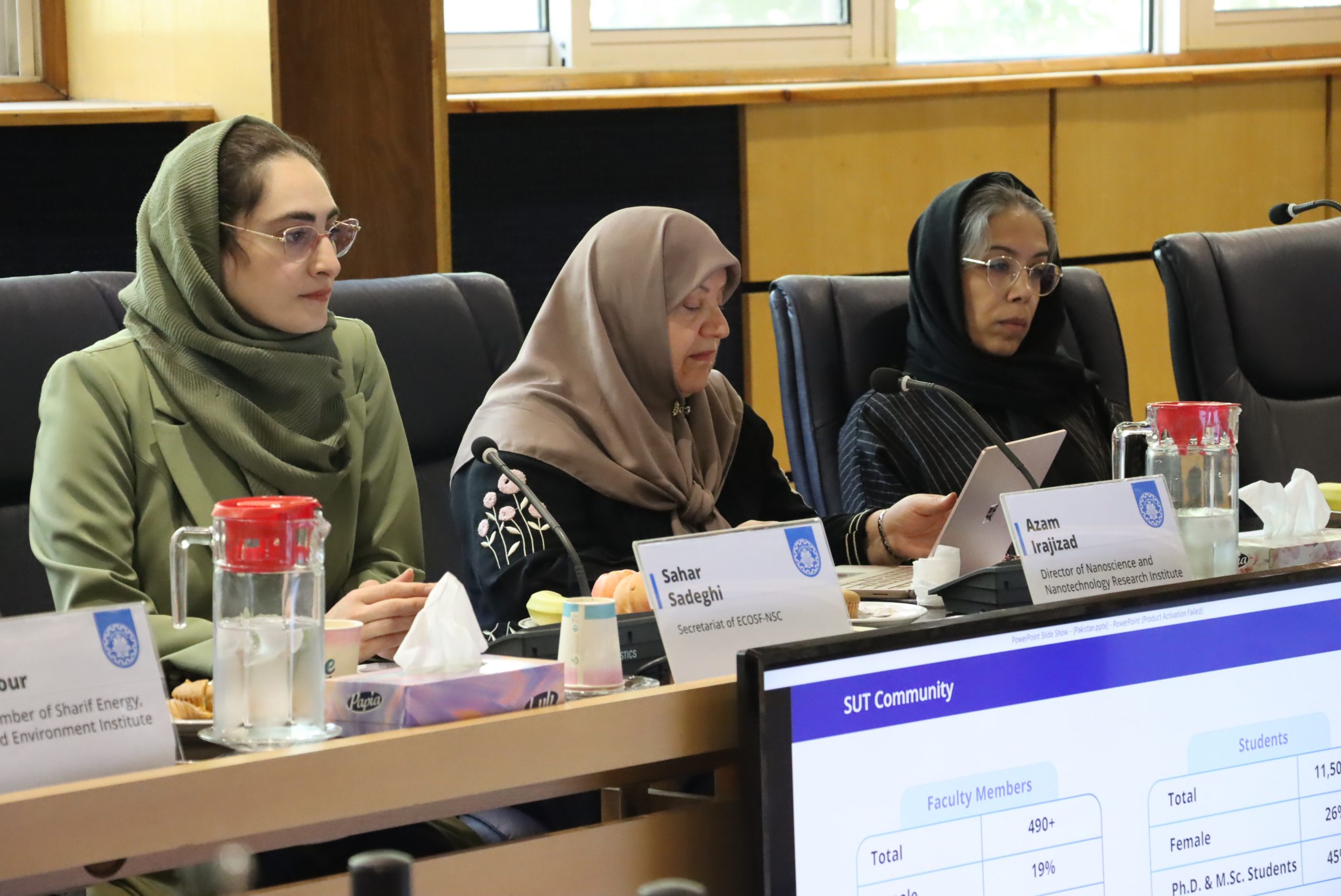
“Future Farming” Specialized Training Program for OIC Member States

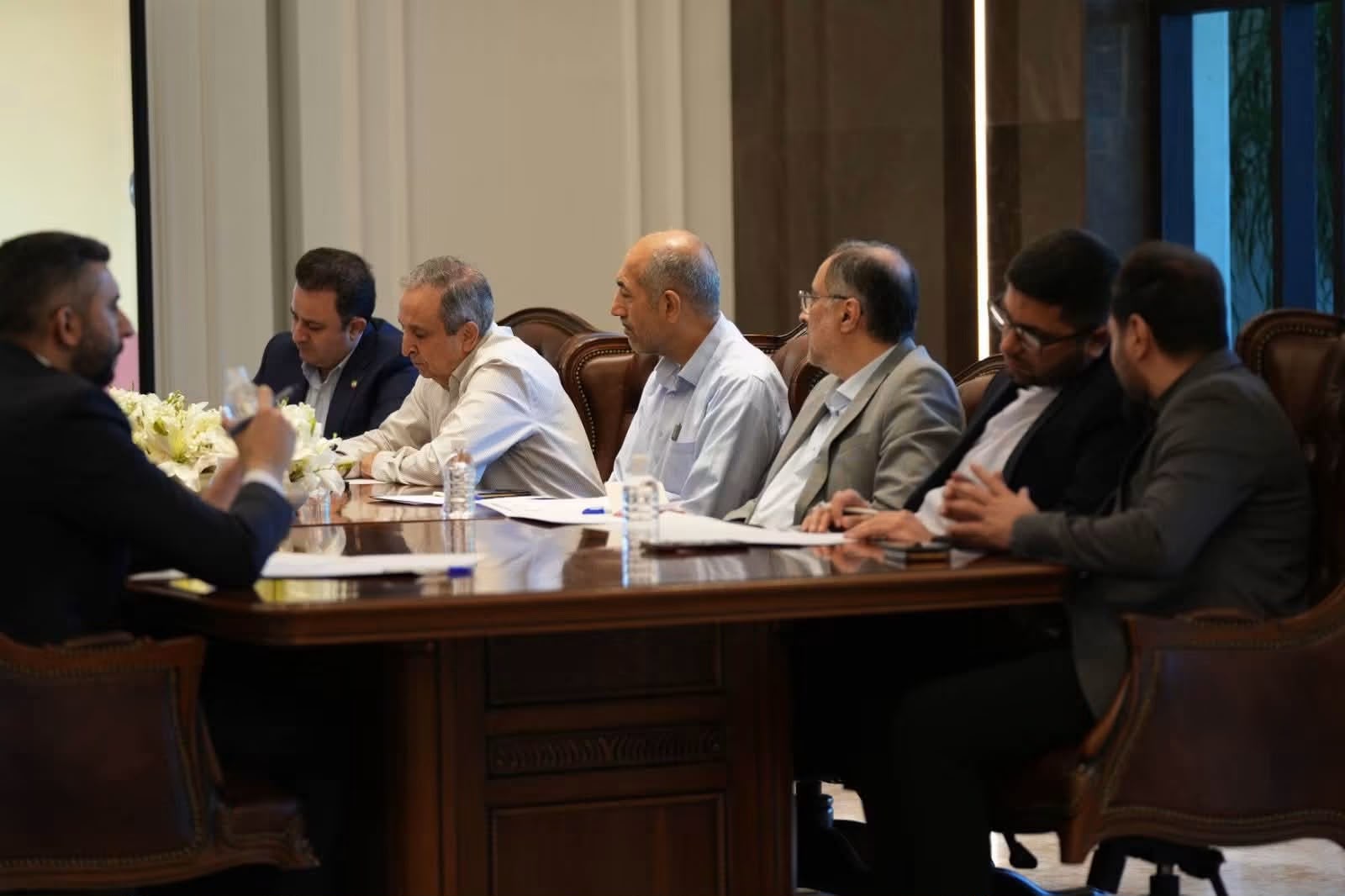
According to the Public Relations Office of the Center for International Scientific Cooperation, the Standing Committee on Scientific and Technological Cooperation of the Organisation of Islamic Cooperation (COMSTECH), in collaboration with the Islamic Organization for Food Security (IOFS), is holding a comprehensive, two-week international training course titled the "Future Farming Training Program", aimed at strengthening scientific and operational capacity in the agricultural sector across OIC member and observer states.

Read More

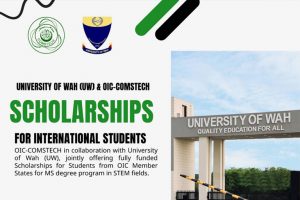
Call for Applications: Fully Funded MS Scholarships at University of Wah, Pakistan (in collaboration with COMSTECH)

The Standing Committee on Scientific and Technological Cooperation of the Organisation of Islamic Cooperation (COMSTECH), in partnership with the University of Wah (UW), Pakistan, is offering Fully Funded Master's (MS) scholarships in STEM fields for applicants from OIC (Organisation of Islamic Cooperation) member states.

Read More

Pakistani Ambassador and Sharif University President Emphasize Expansion of Scientific and Technological Cooperation

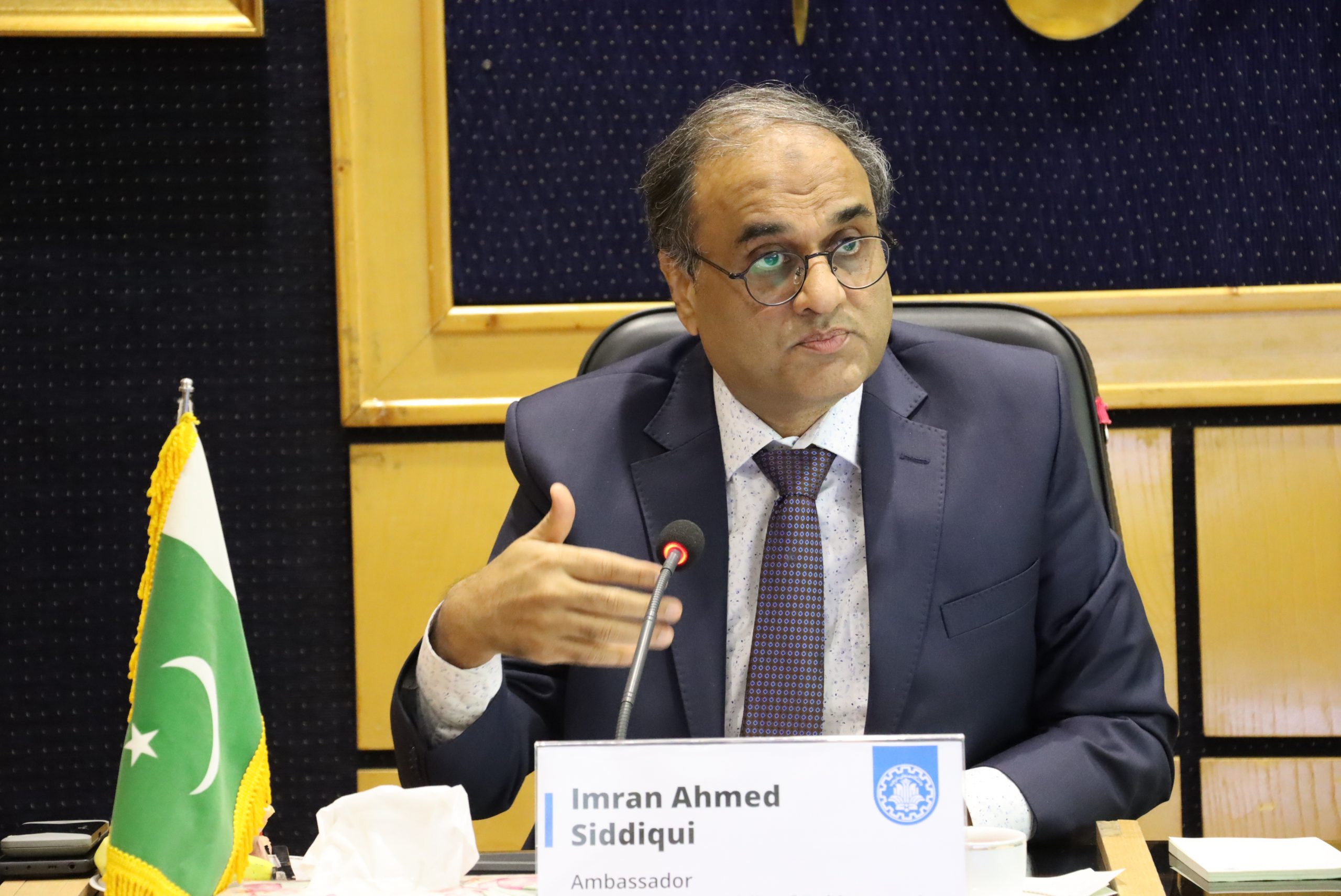
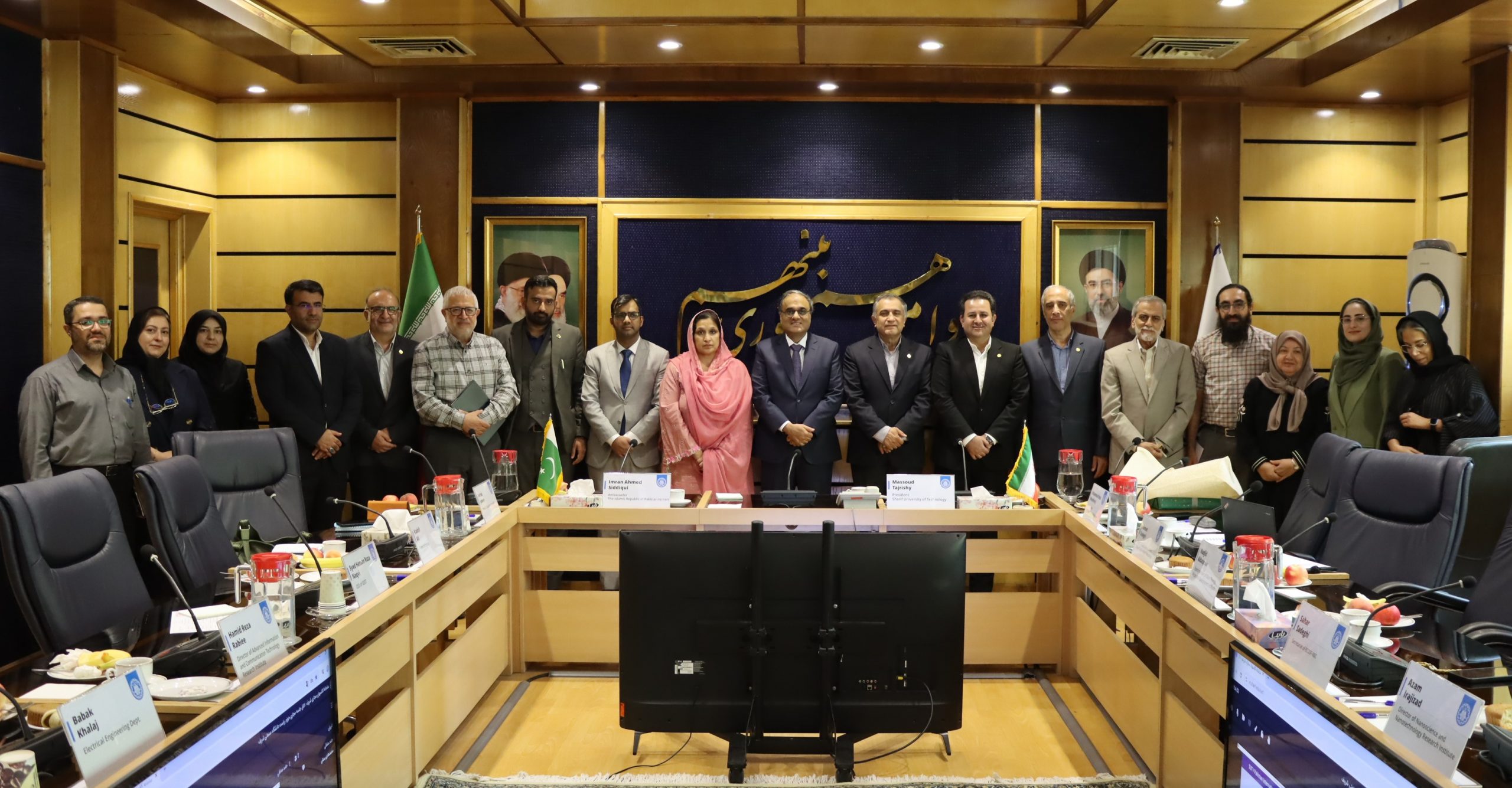
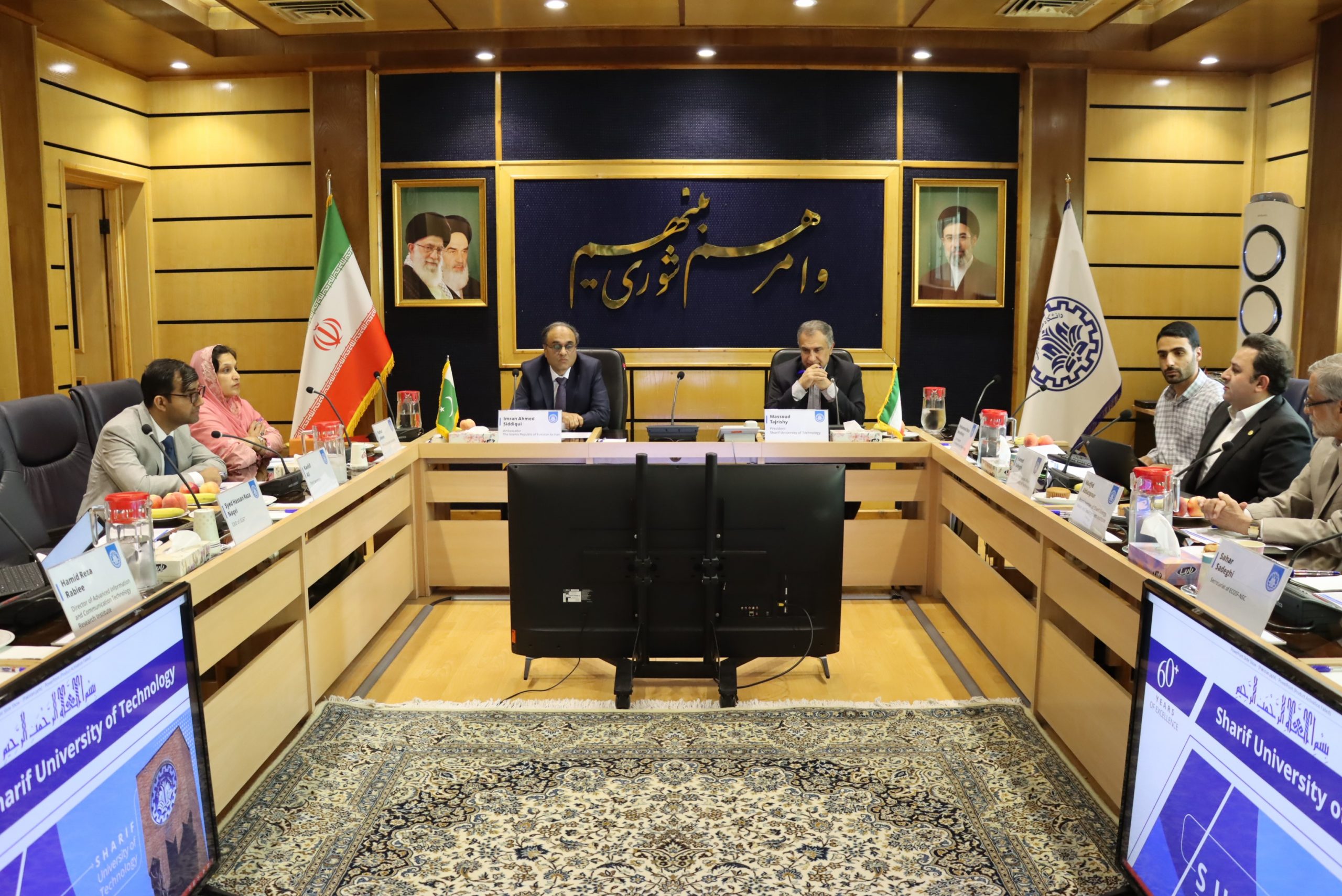
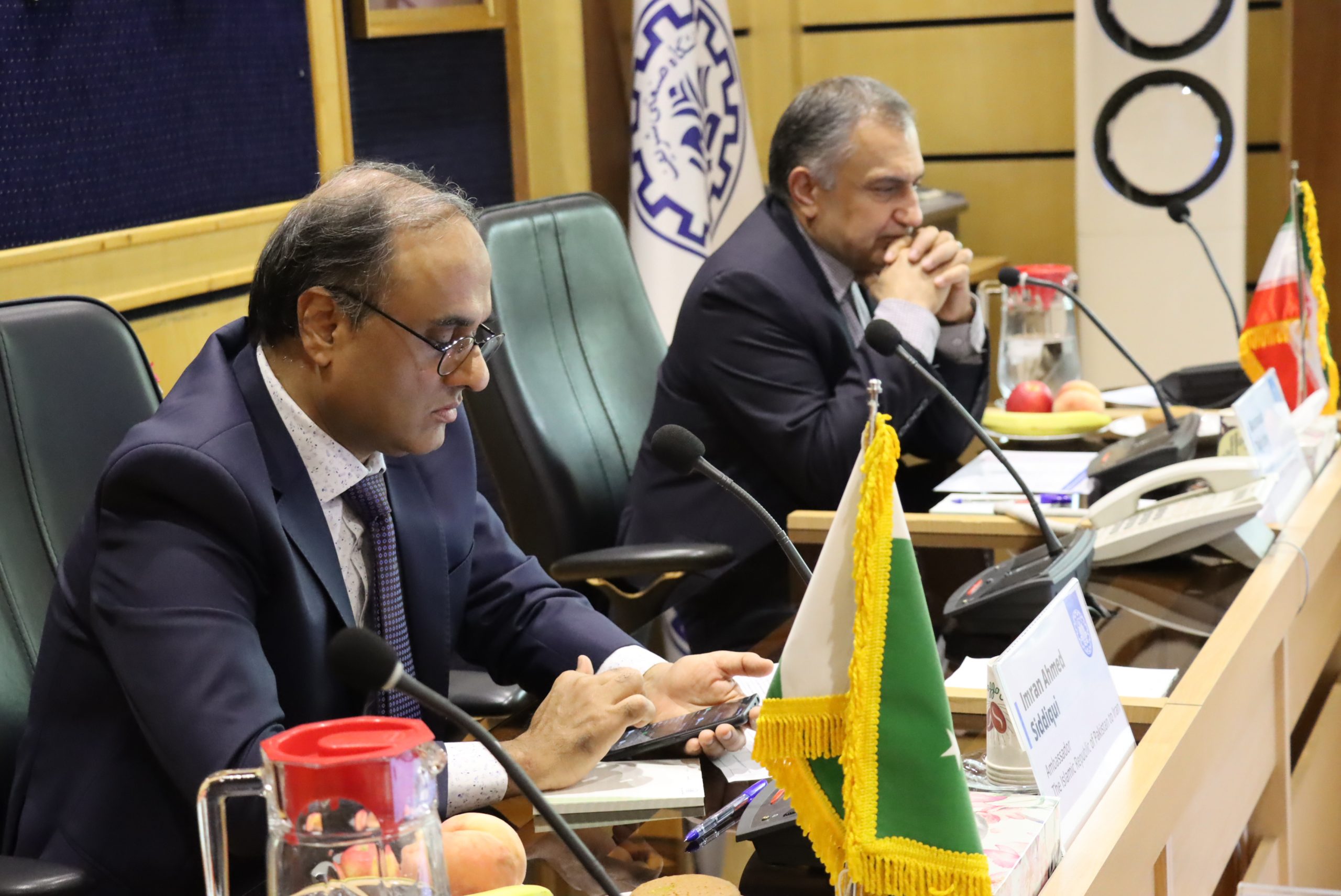
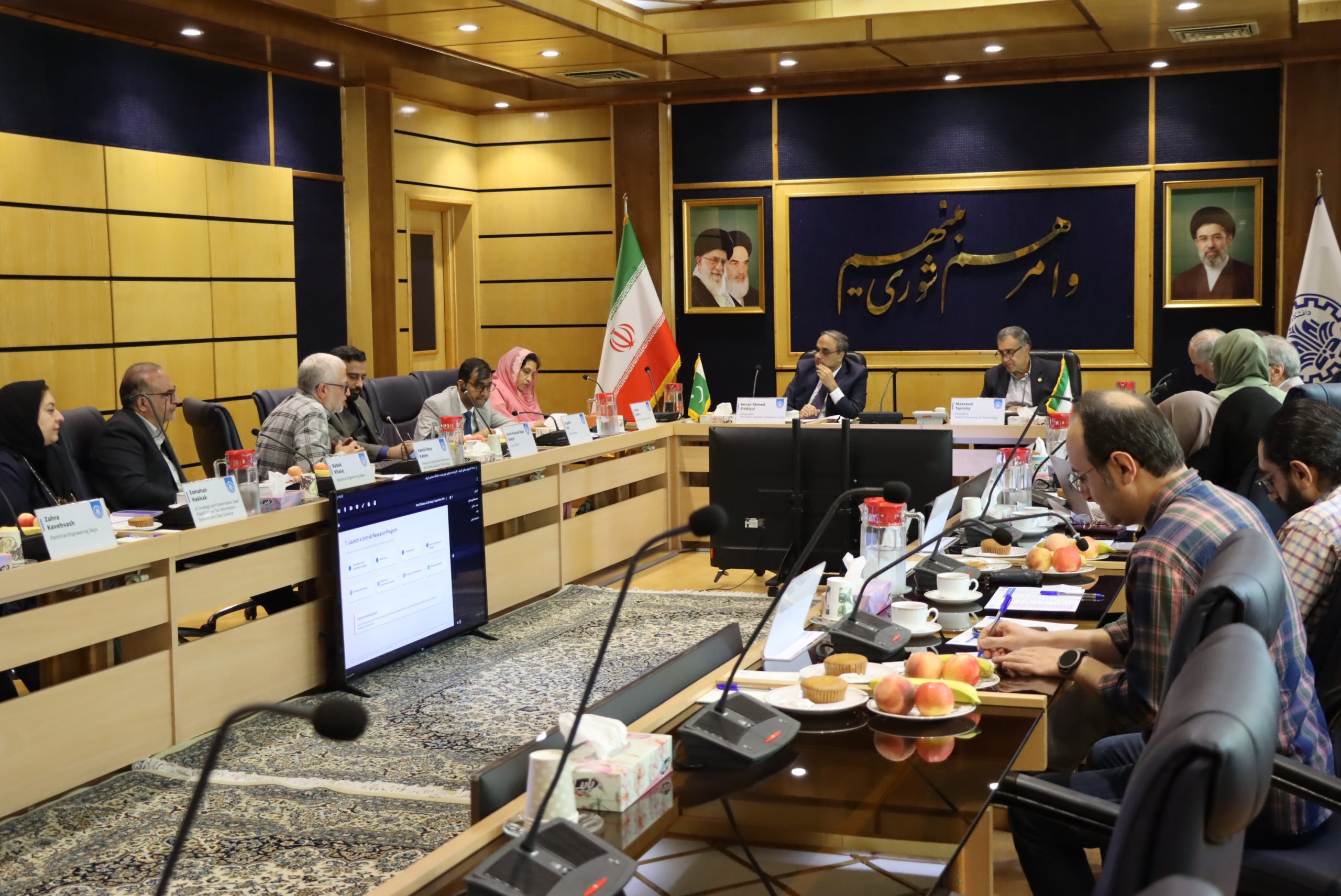
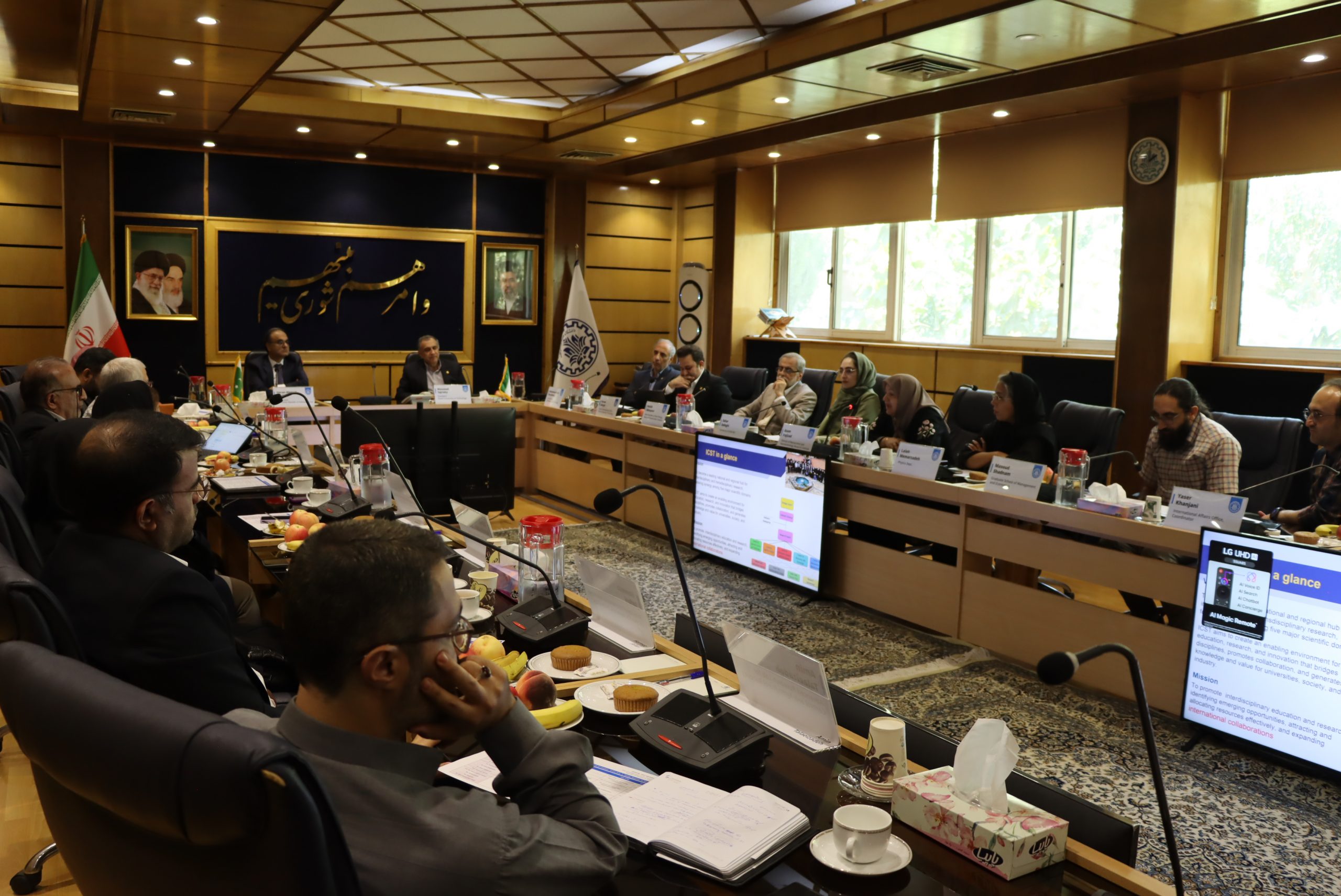
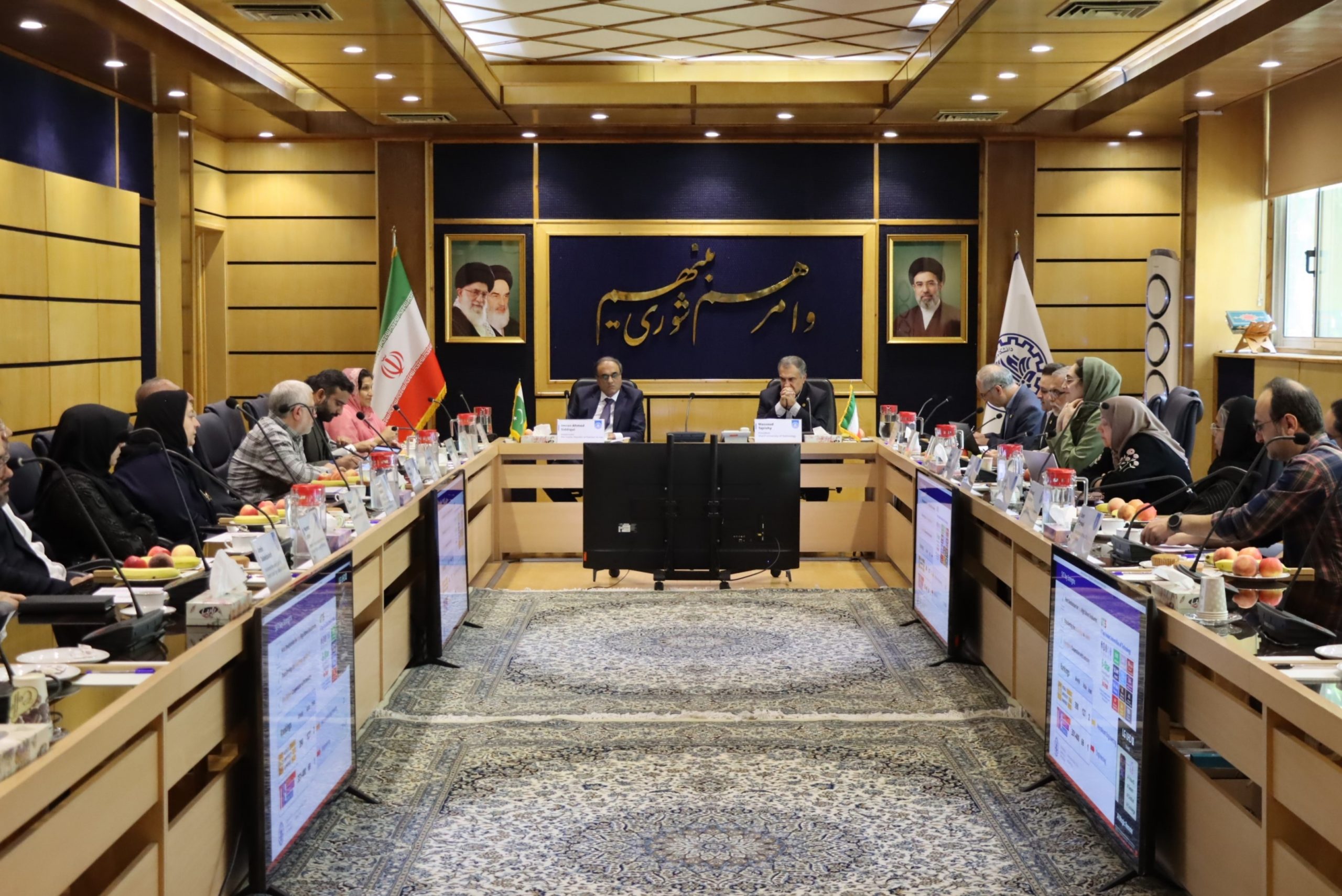
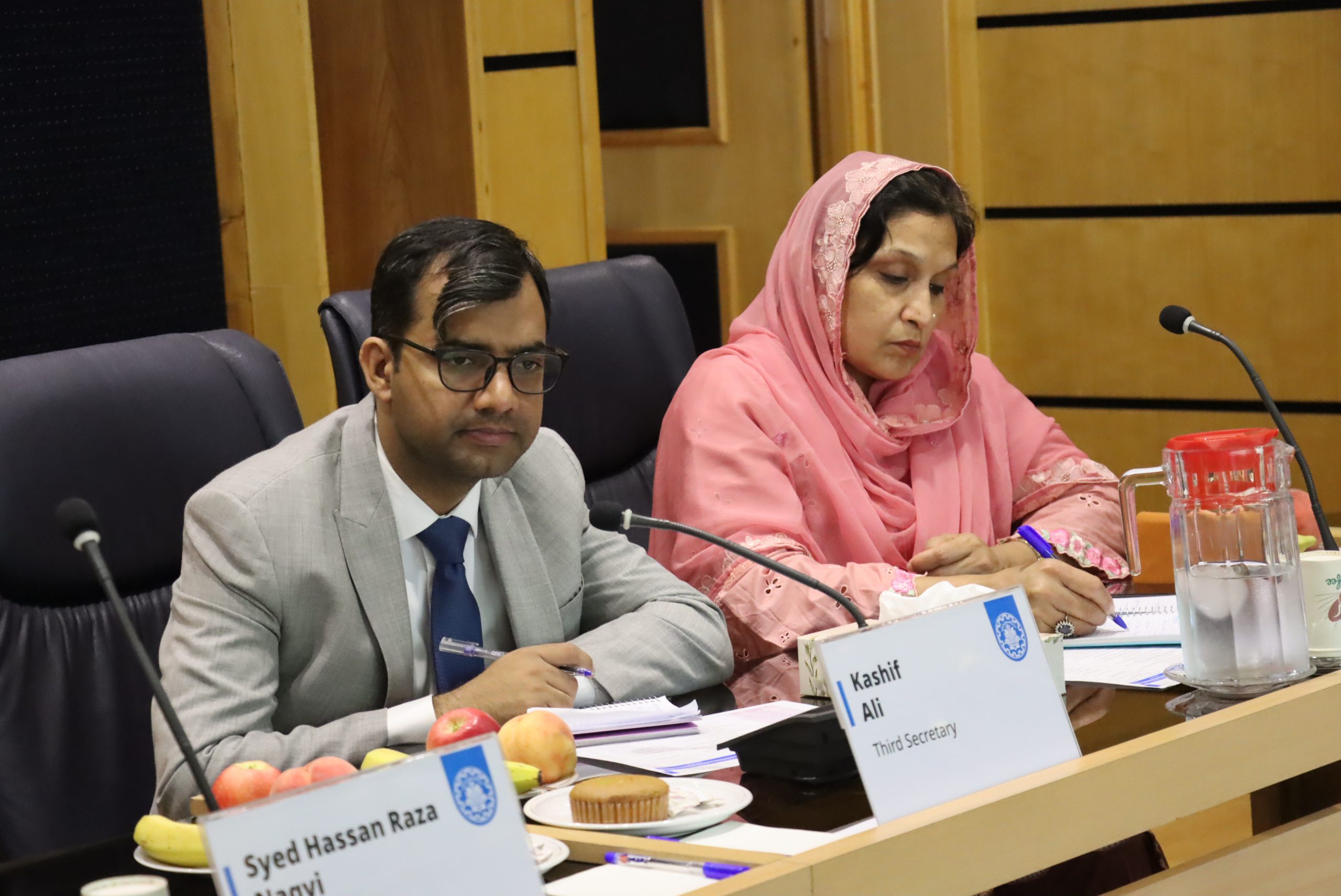
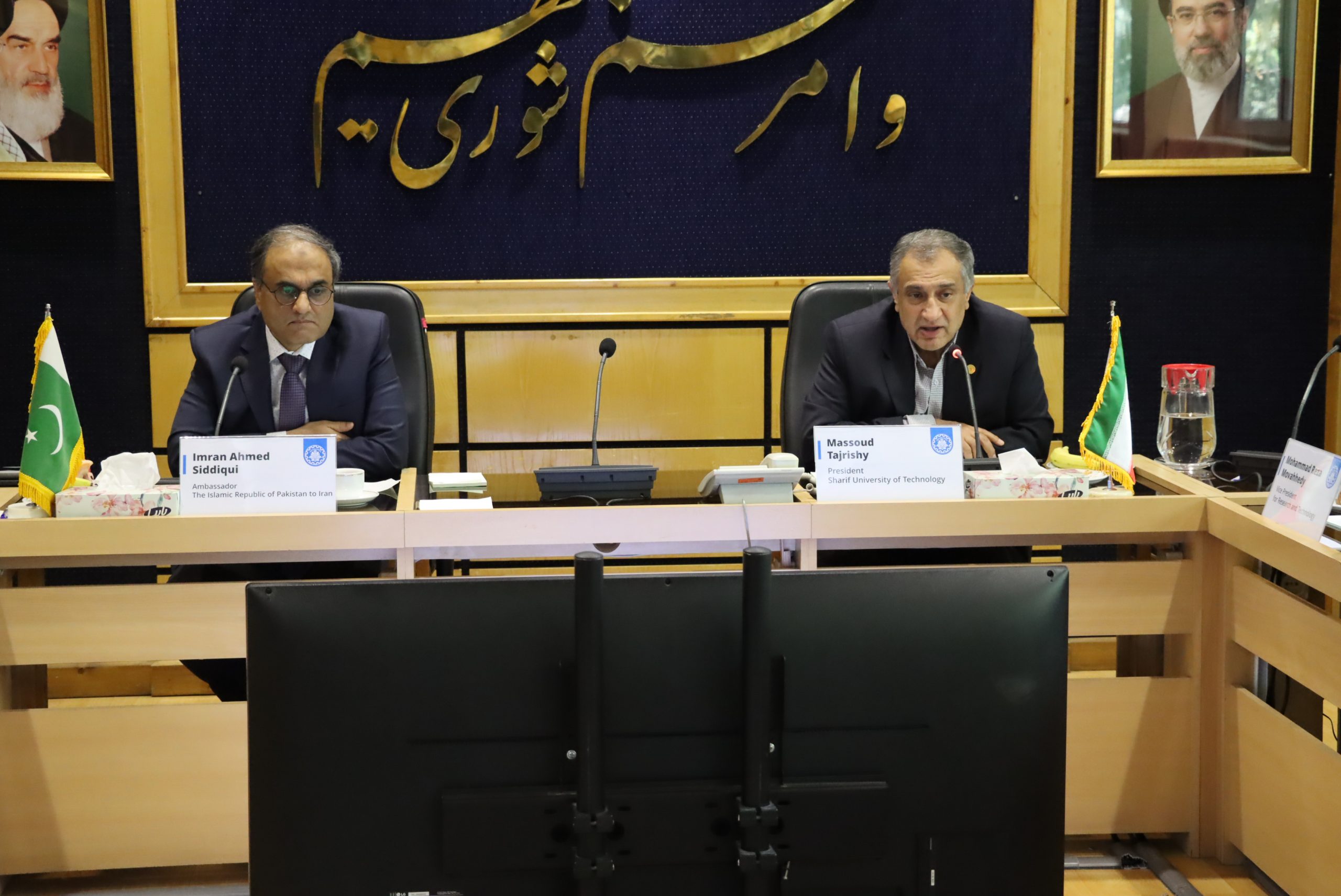
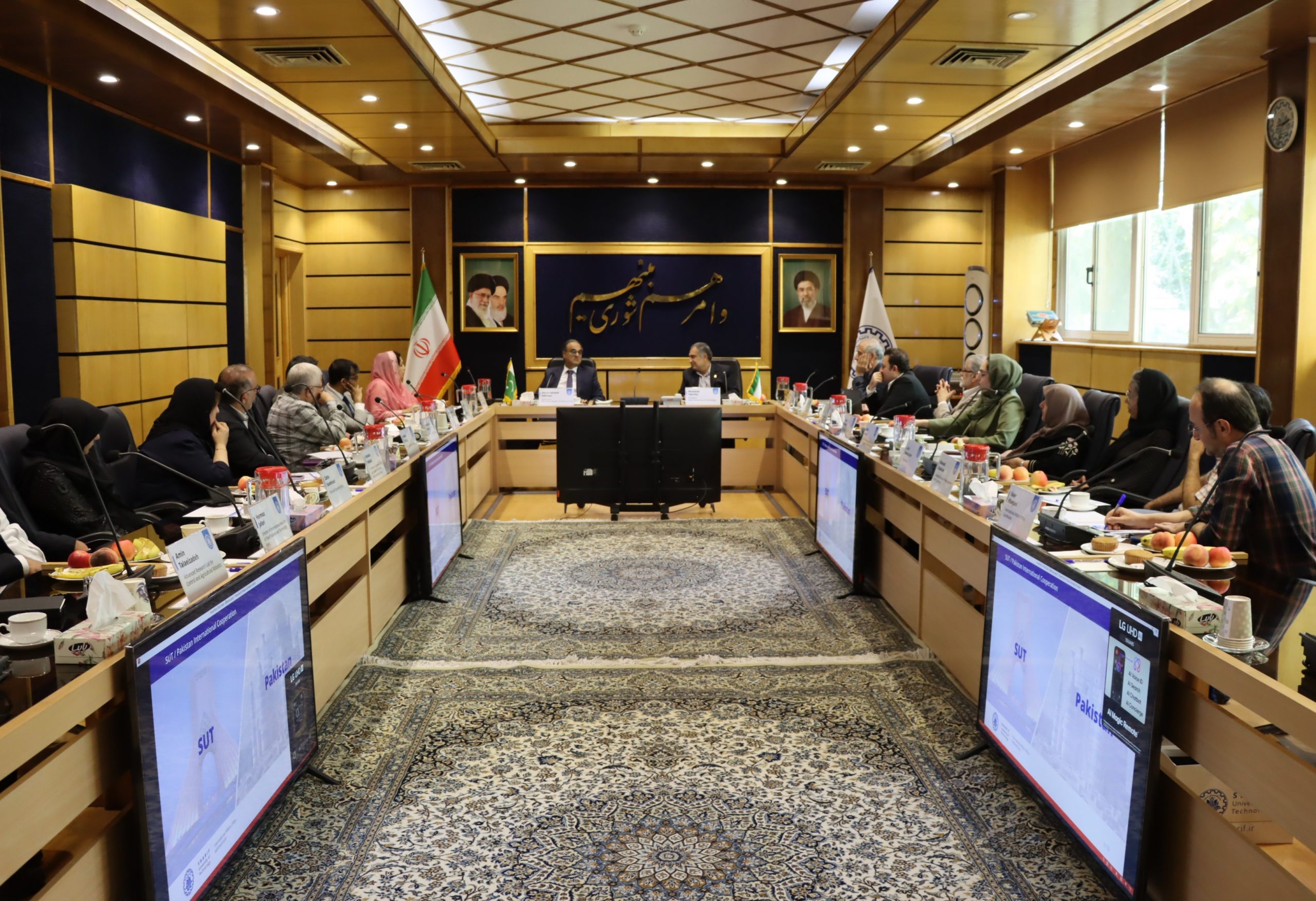
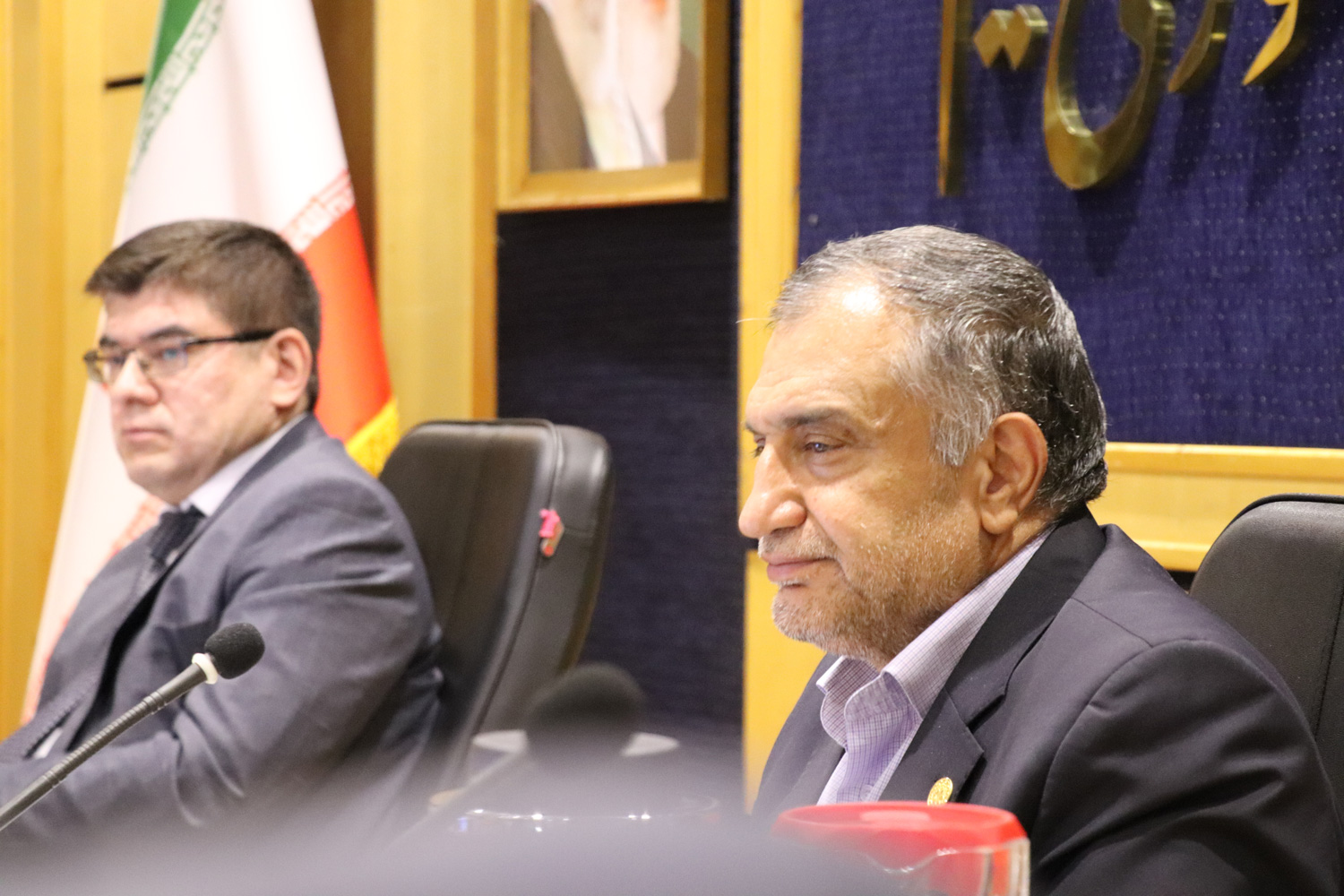
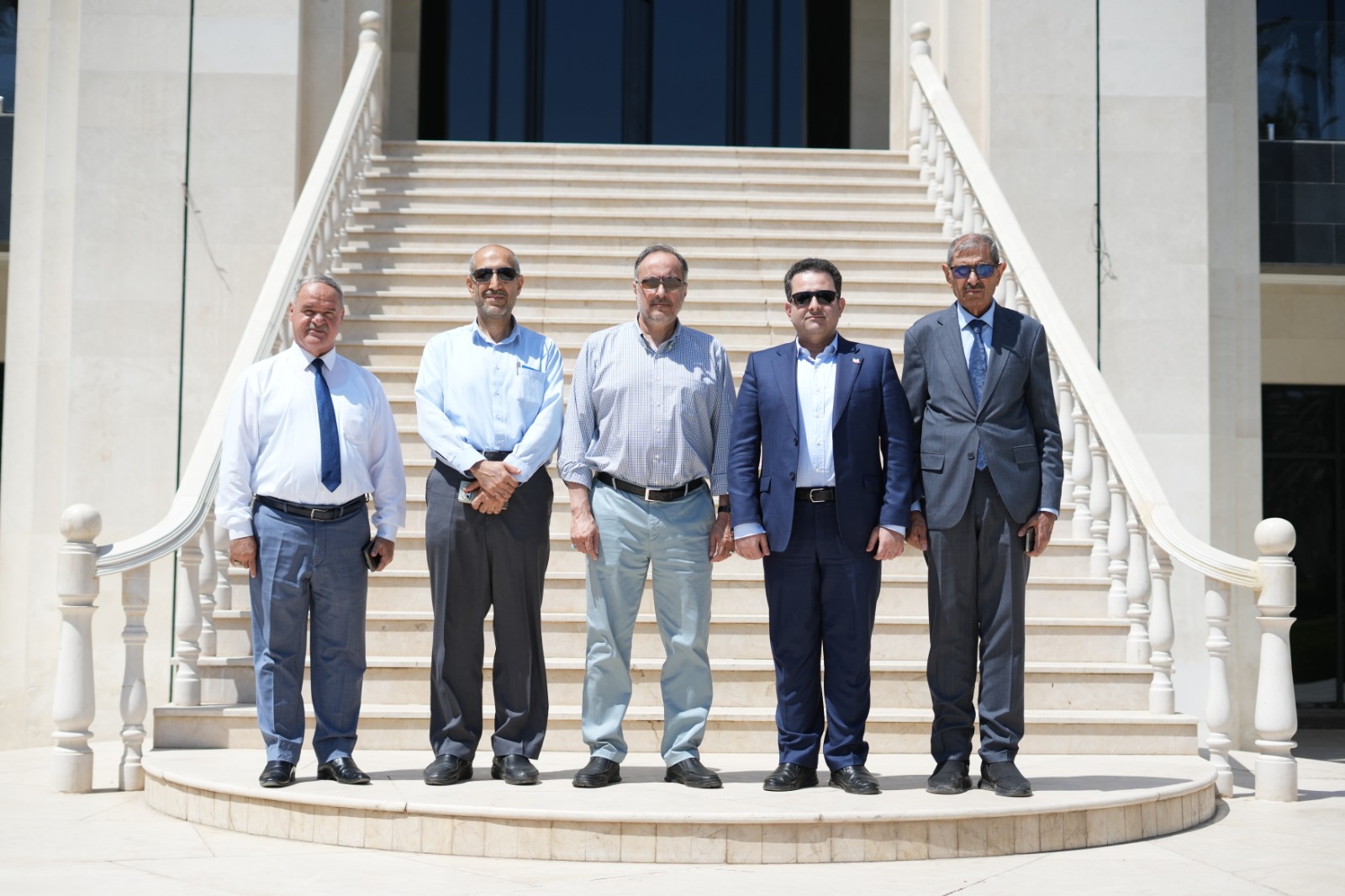
H.E. Mr. Imran Ahmed Siddiqui, Ambassador of the Islamic Republic of Pakistan to Iran, accompanied by a delegation from the Embassy of Pakistan, visited Sharif University of Technology on Monday, September 14, to learn about the university’s educational, research, industrial, and technological capabilities and achievements.

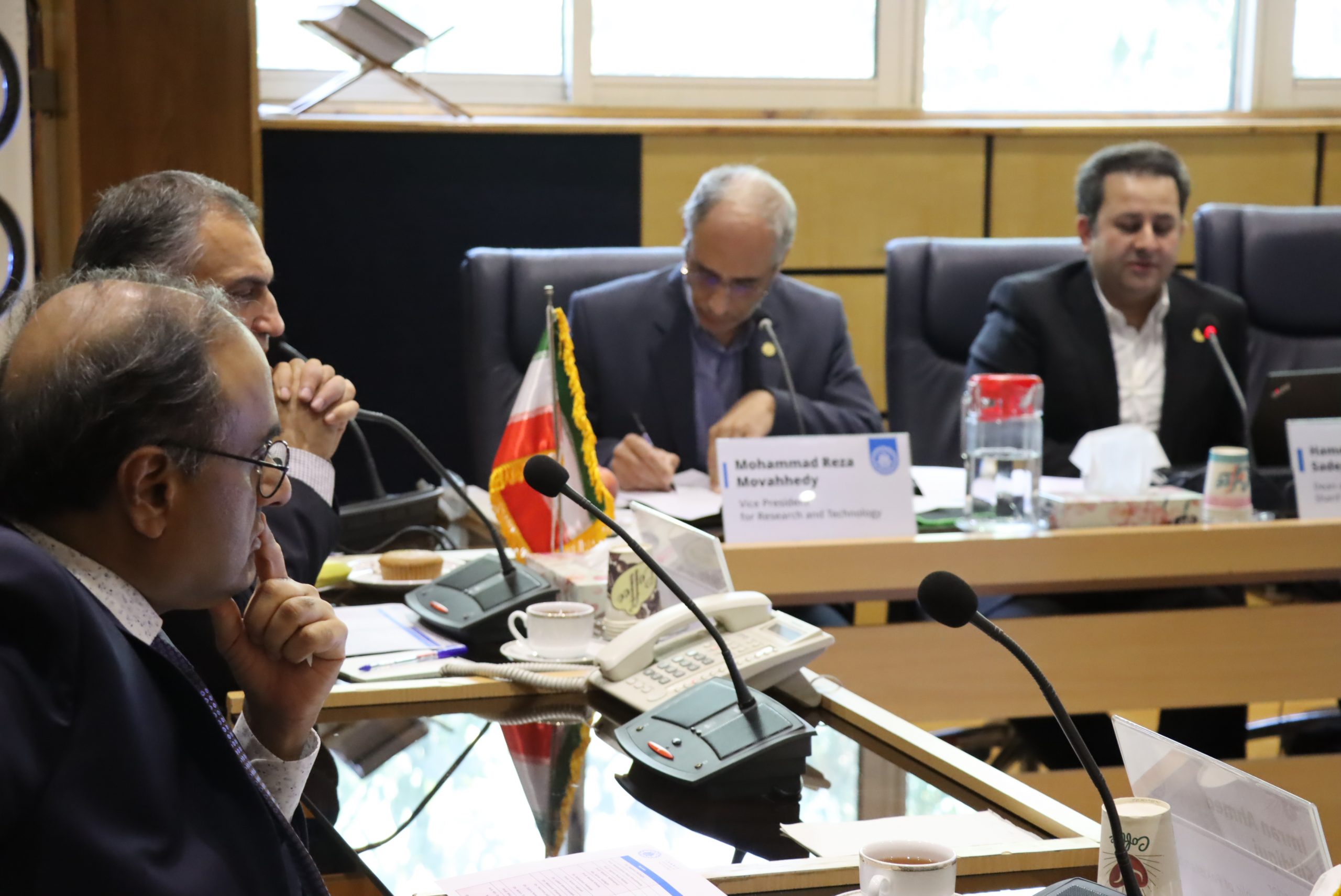
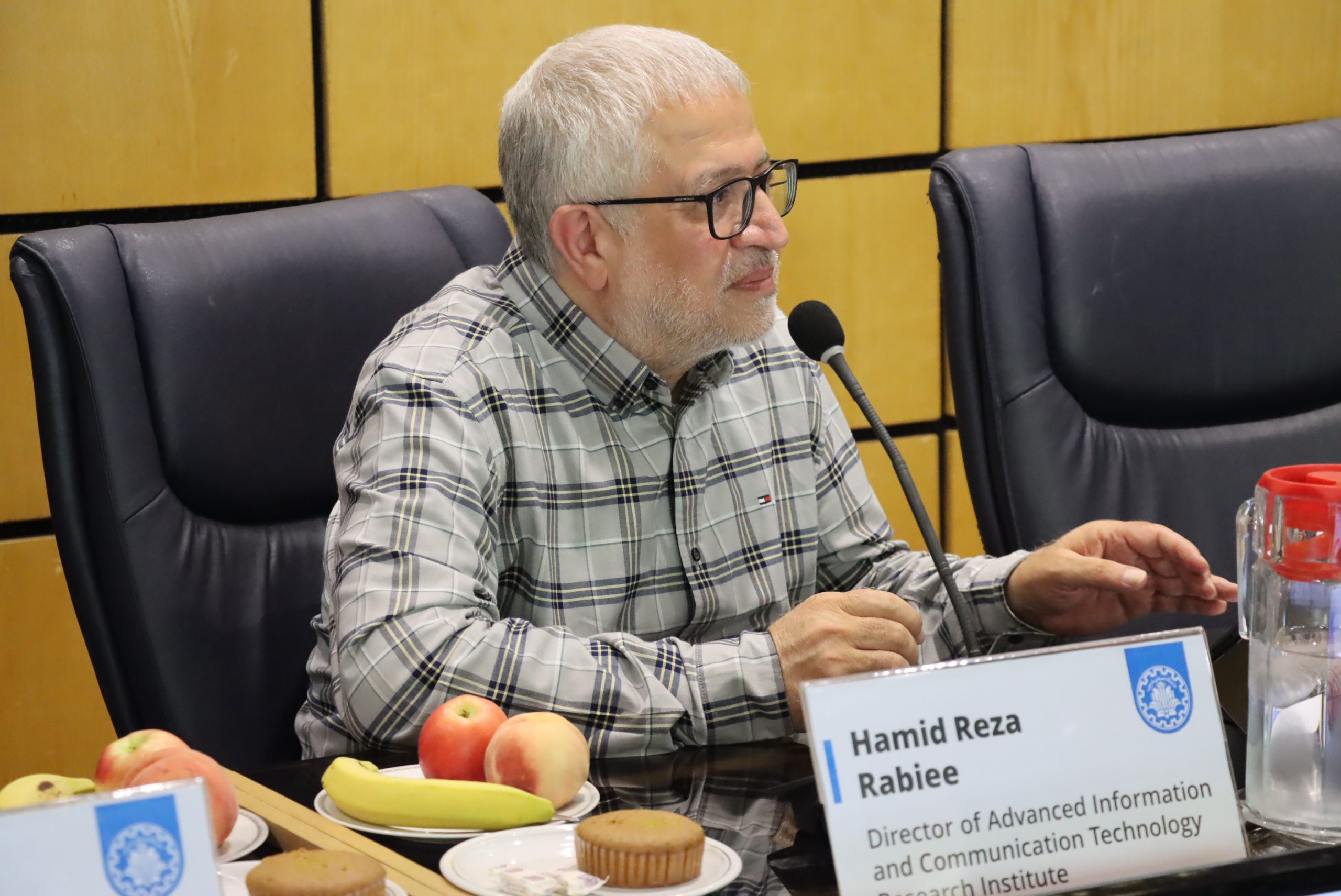
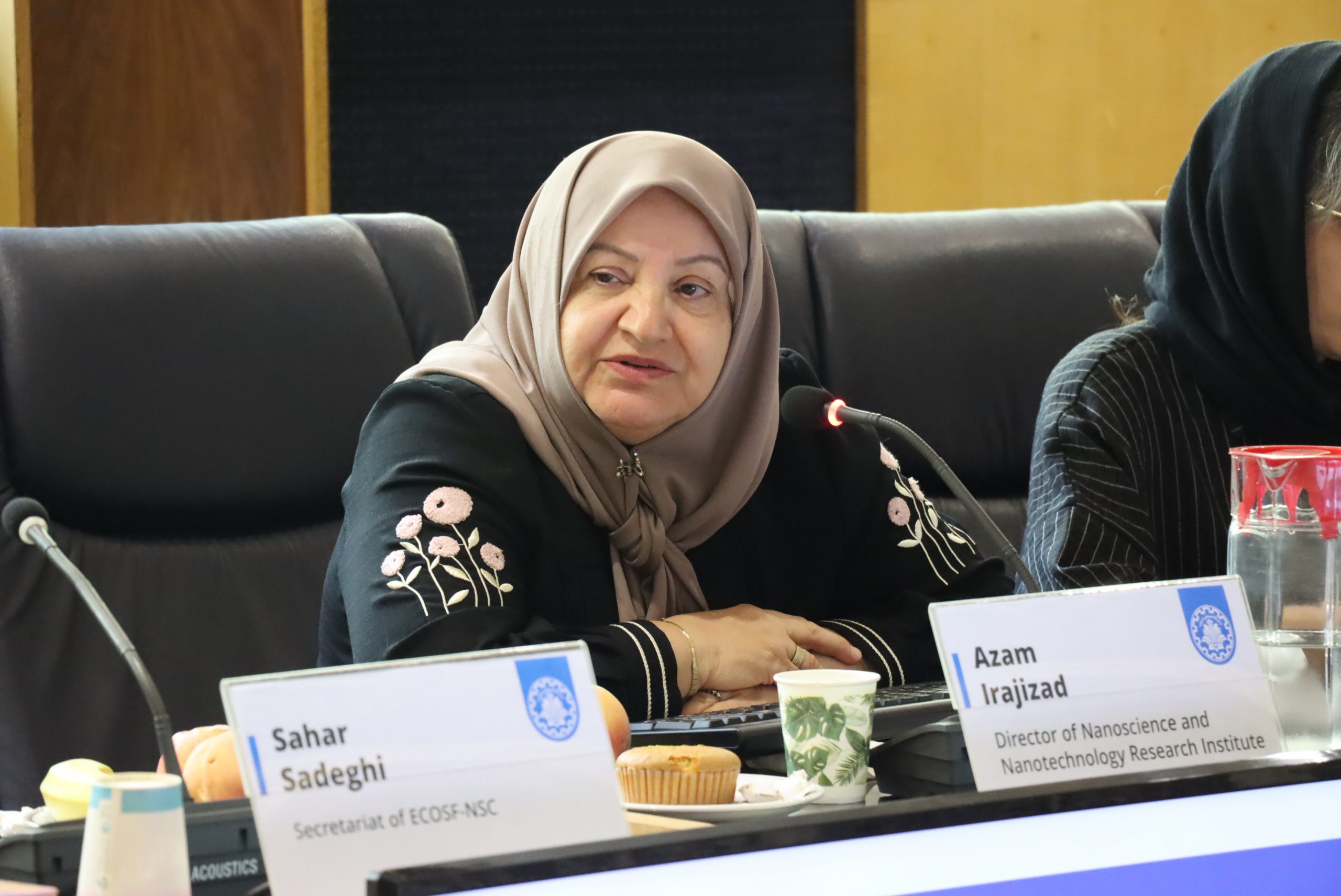
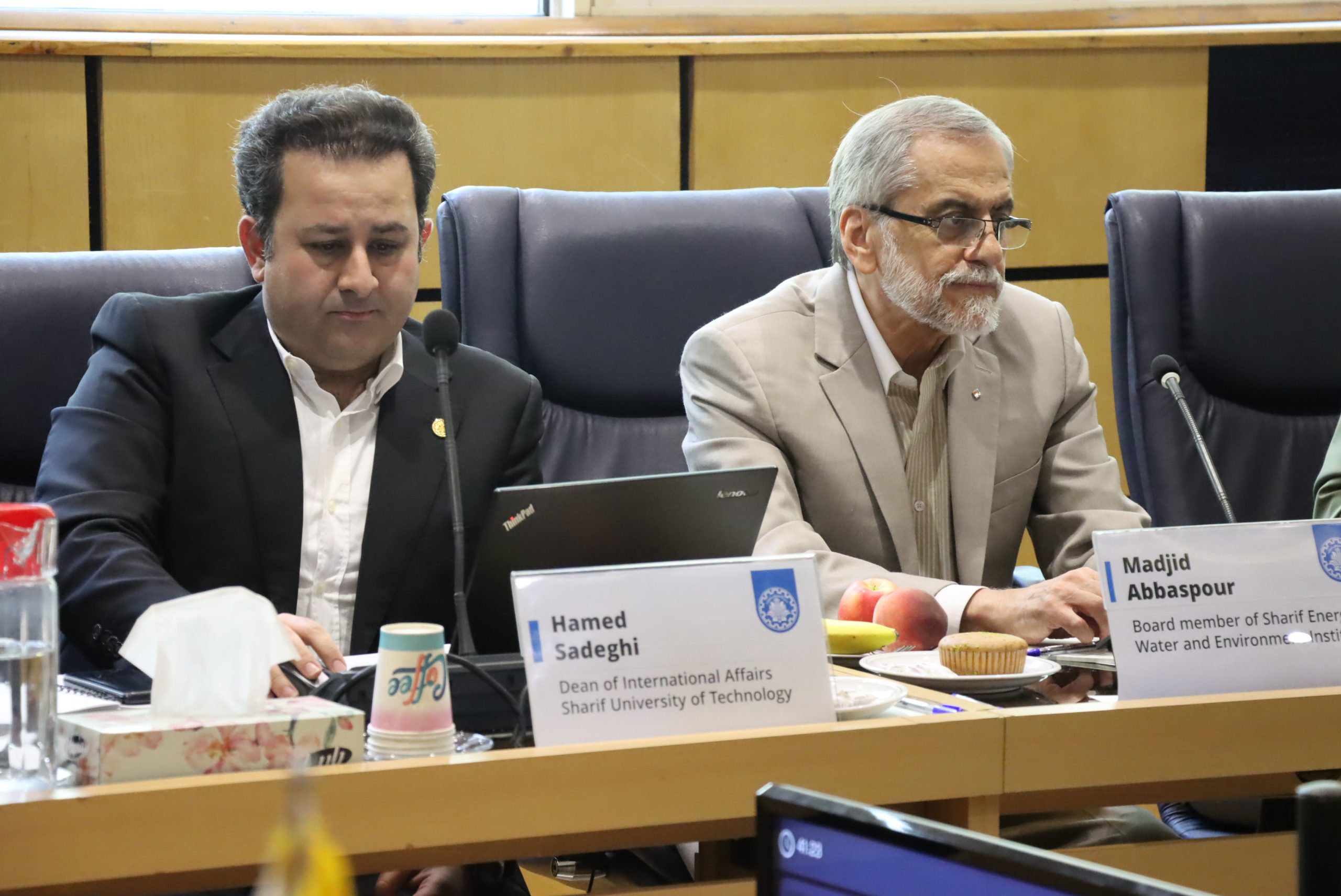
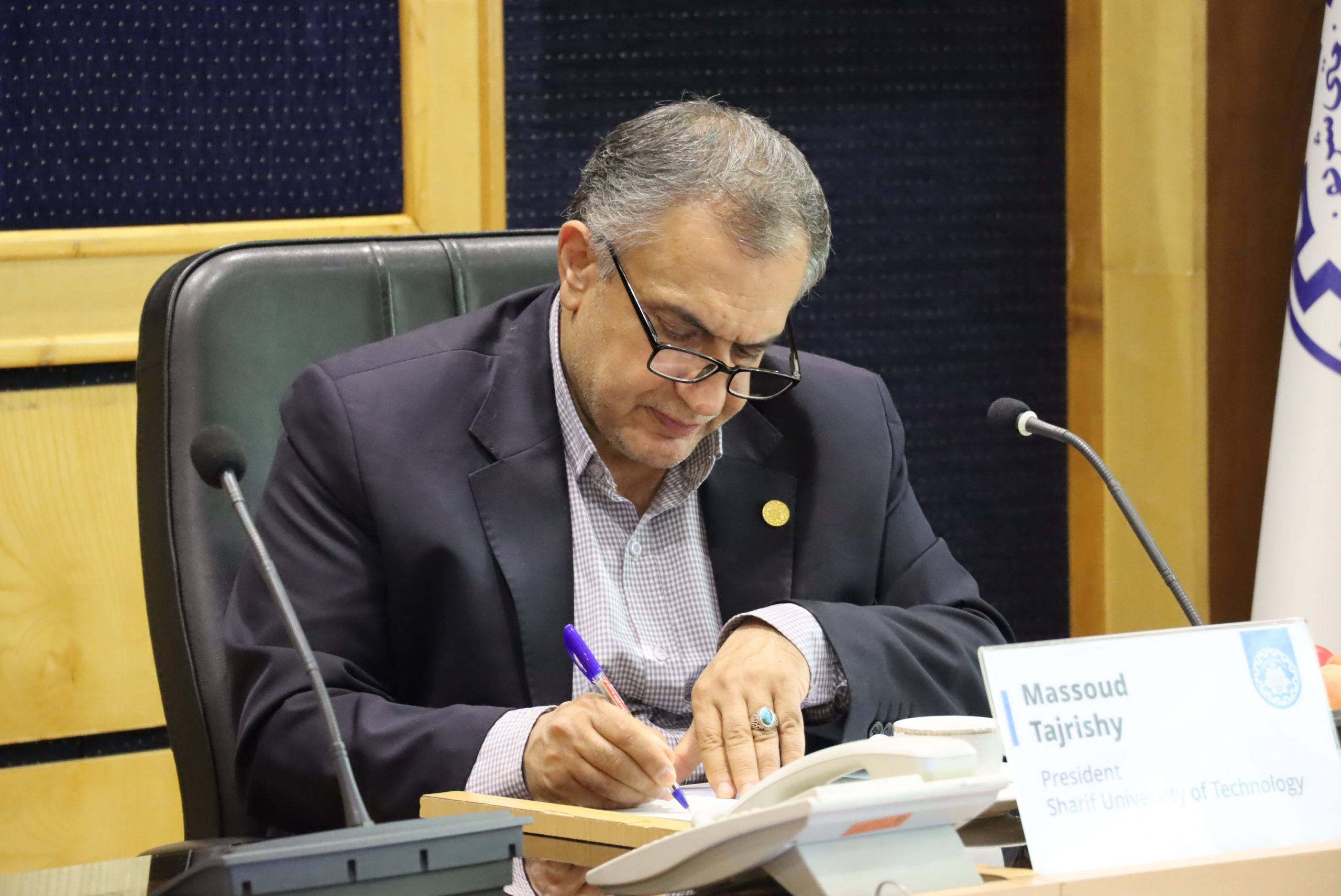
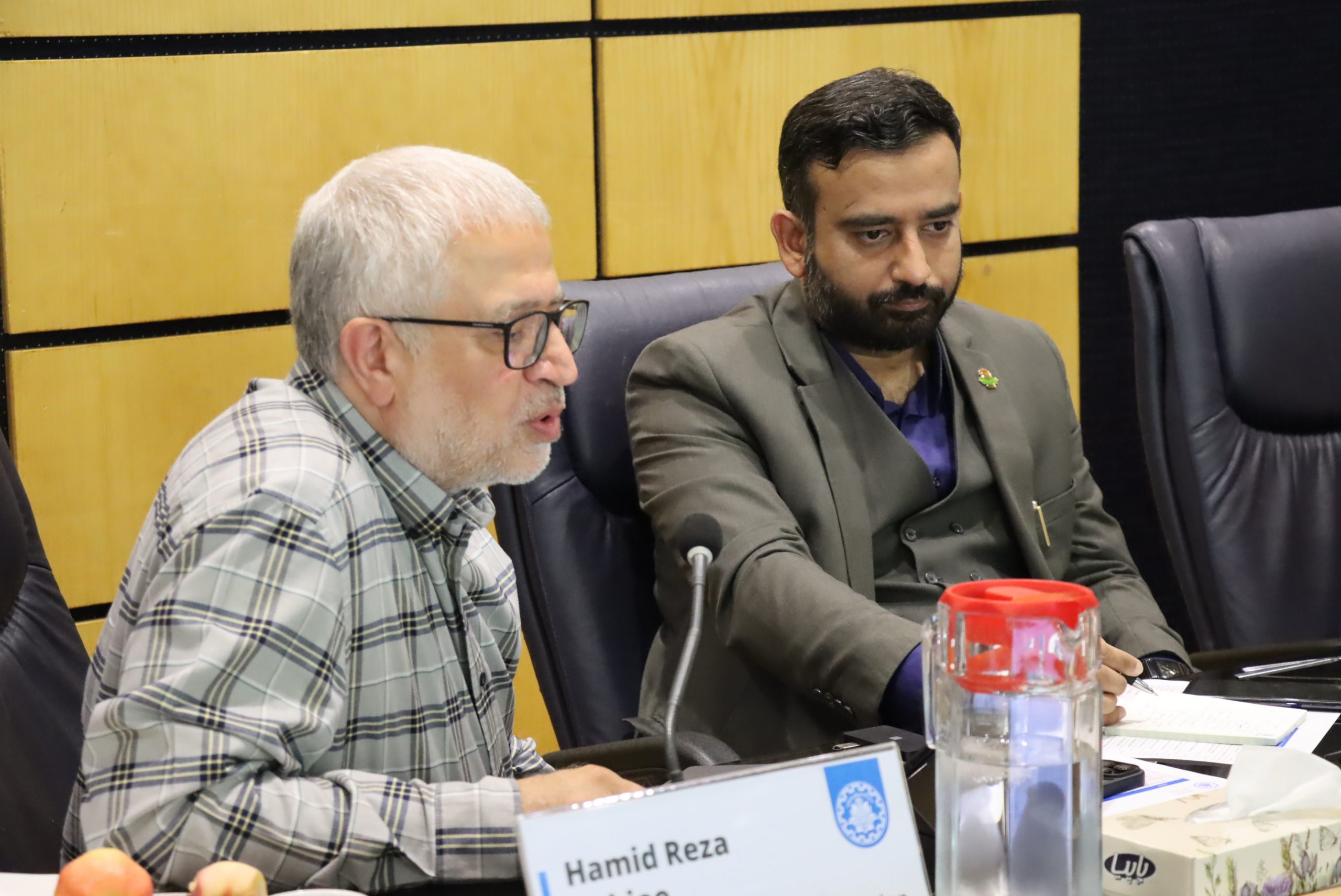
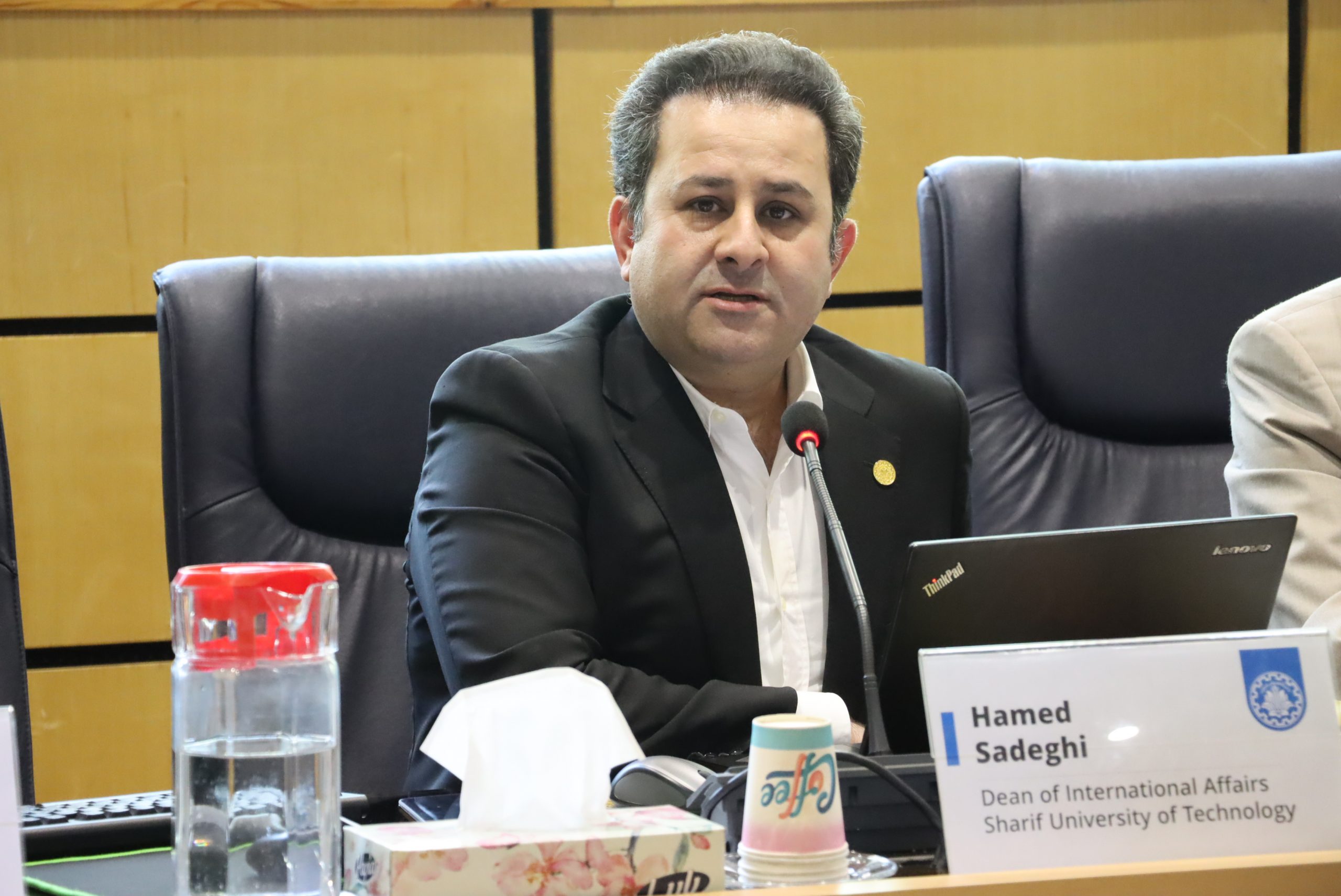
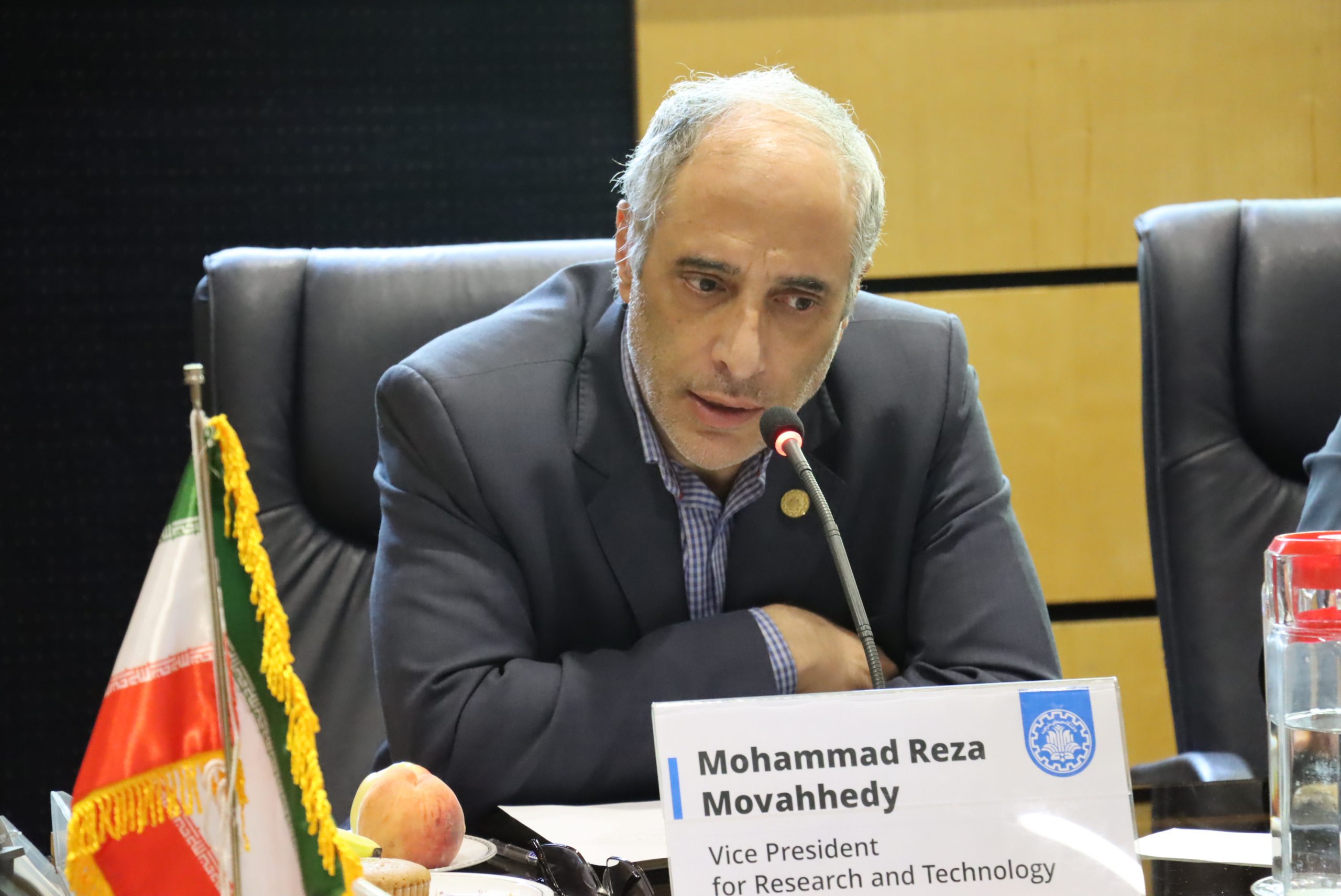
The meeting was attended by Prof. Massoud Tajrishy, President of Sharif University of Technology; Prof. Mohammad Reza Movahedi, Vice-President for Research and Technology; Dr. Hamed Sadeghi, Dean of International Affairs; and a number of faculty members and directors of the university’s research centers.

During the meeting, the scientific and research capabilities of Sharif University of Technology were introduced, and areas of potential cooperation between Iran and Pakistan, including artificial intelligence, energy, water, and the environment, were explored. A report was also presented on ongoing scientific and research collaborations between Sharif faculty members and researchers and universities and scientific institutions in Pakistan.

The university’s potential for cooperation in artificial intelligence, as well as activities related to the OIC-15 AI Declaration and COMSTECH, was subsequently outlined. Discussions also addressed the role of Sharif University of Technology in developing regional scientific cooperation networks and organizing joint specialized programs and meetings.

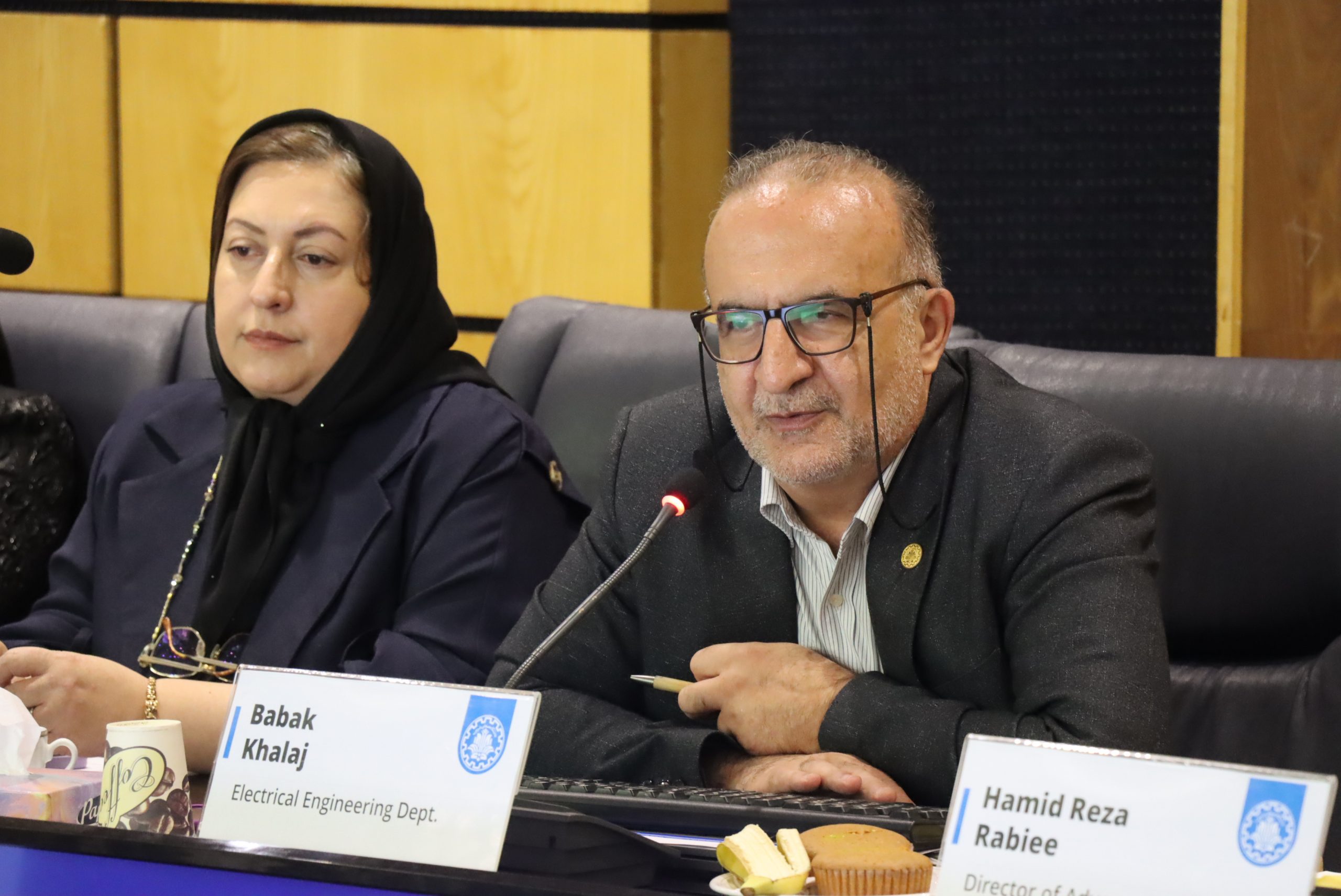
A report was further presented on the scientific and research collaborations of the Department of Electrical Engineering and the Sharif Center for Information Systems and Data Science (ISDS) with universities and scientific institutions in Pakistan, including the National University of Sciences and Technology (NUST), the National Centre for Artificial Intelligence of Pakistan, and Quaid-i-Azam University. Faculty members of Sharif University of Technology also introduced their respective areas of potential cooperation with Pakistani scientific institutions.

Prof. Massoud Tajrishy, President of Sharif University of Technology, highlighted the historical, civilizational, and cultural ties between Iran and Pakistan and emphasized the potential of these relations to advance scientific and technological cooperation. He stated that the deep-rooted civilizational, historical, cultural, and religious ties between the two friendly neighboring countries have contributed to the establishment, growth, and development of joint activities between Iran and Pakistan across various fields.

Referring to the university’s successful experience in engaging with universities worldwide through the consortium of the country’s five leading industrial universities (UT5), Prof. Tajrishy expressed Sharif University of Technology’s readiness to expand scientific and technological cooperation with leading Pakistani institutions in education, research, industry collaboration, and technology transfer. He also welcomed the participation of Pakistani researchers and faculty members, as well as talented Pakistani students, at Sharif University of Technology, describing their presence as an opportunity to strengthen these interactions.

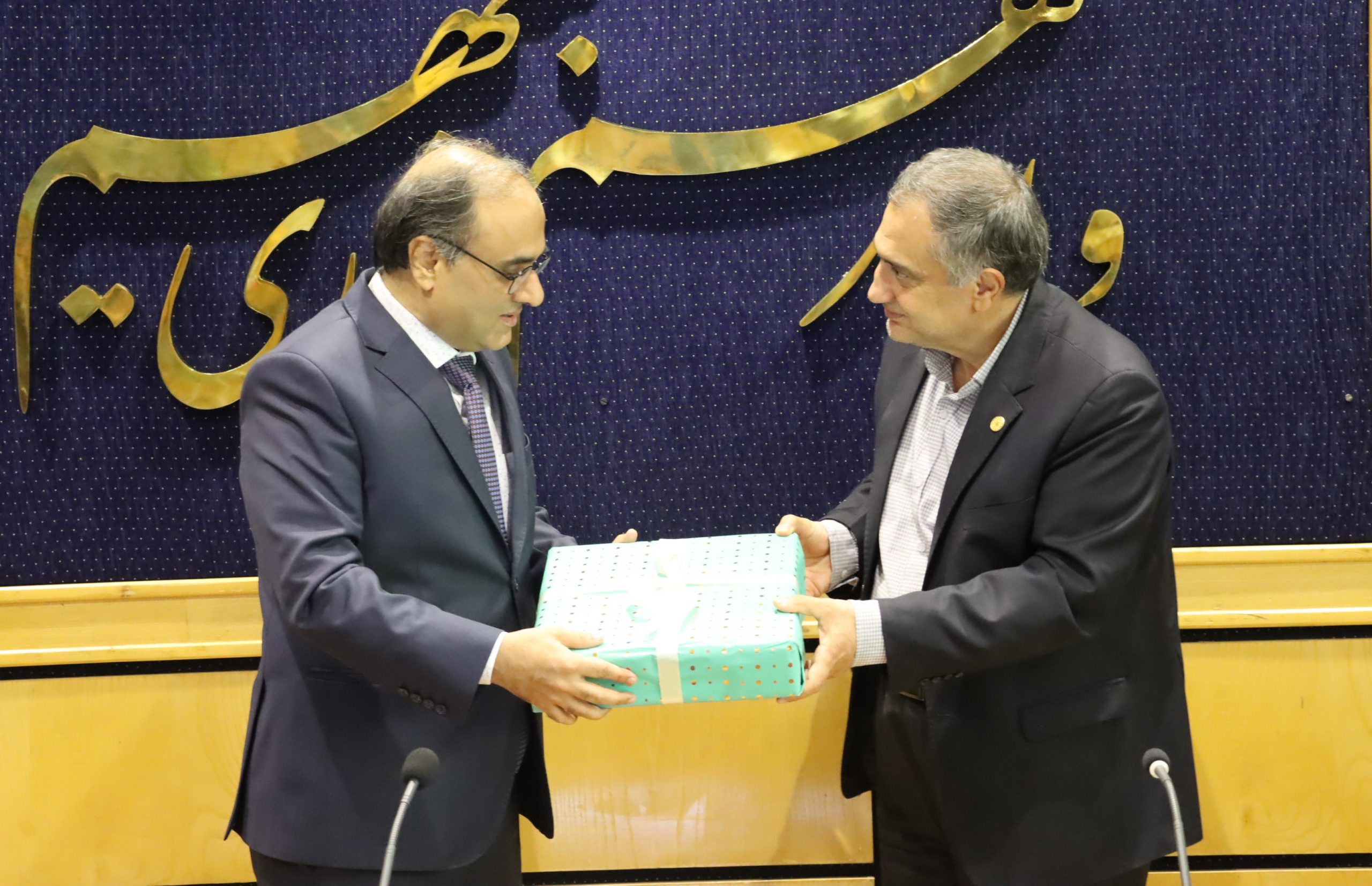
The Ambassador of Pakistan, in turn, expressed his appreciation for the hospitality extended by Sharif University of Technology. He welcomed the breadth of scientific cooperation between researchers from the two countries and emphasized the importance of strengthening joint cooperation networks, implementing existing memoranda of understanding, removing barriers to collaboration, and leveraging the capacities of scientific and technological institutions.

He also identified the establishment of joint scientific and research centers and the expansion of cooperation into fields beyond engineering, including management and economics, as significant areas of potential collaboration between the two countries.

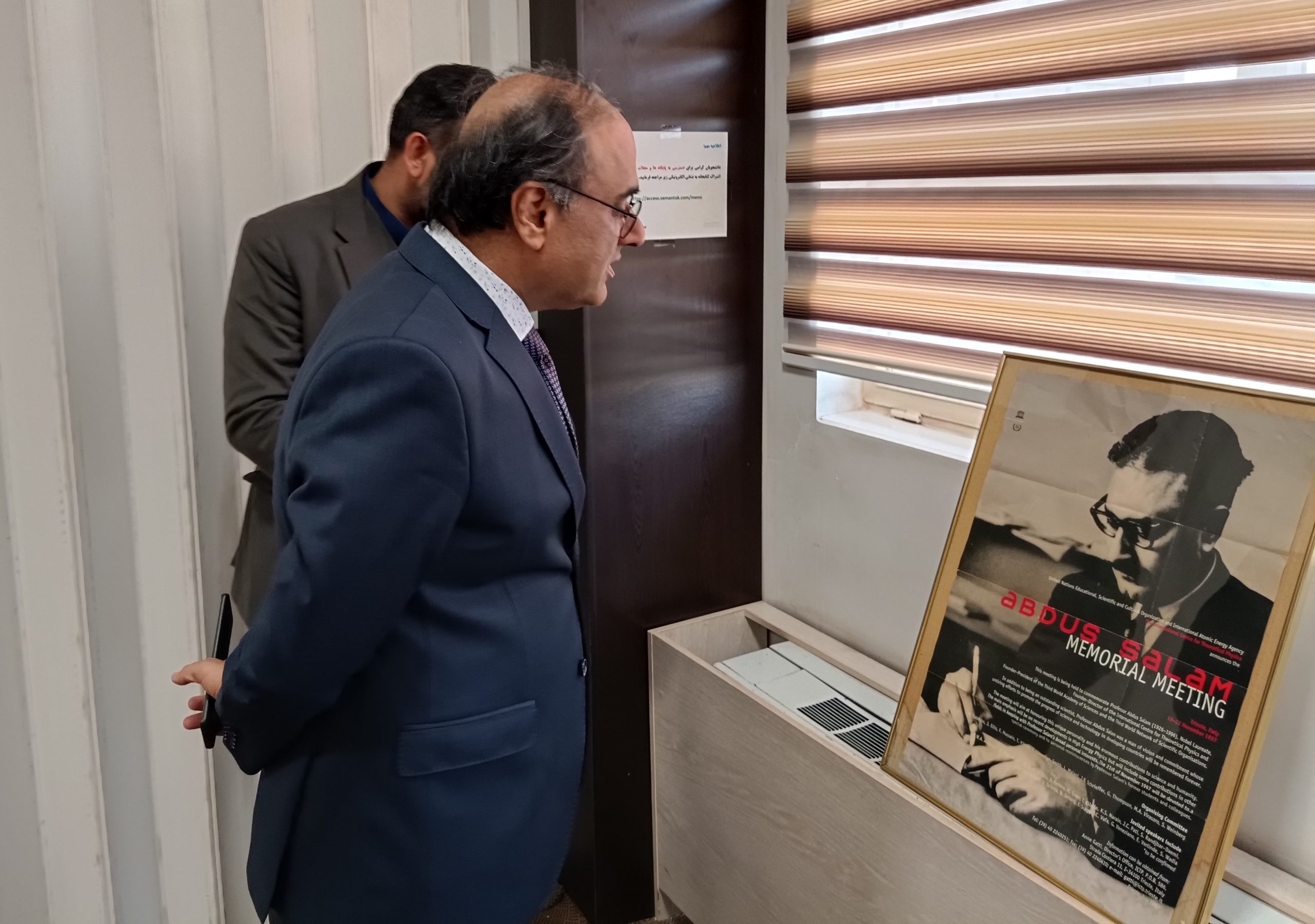
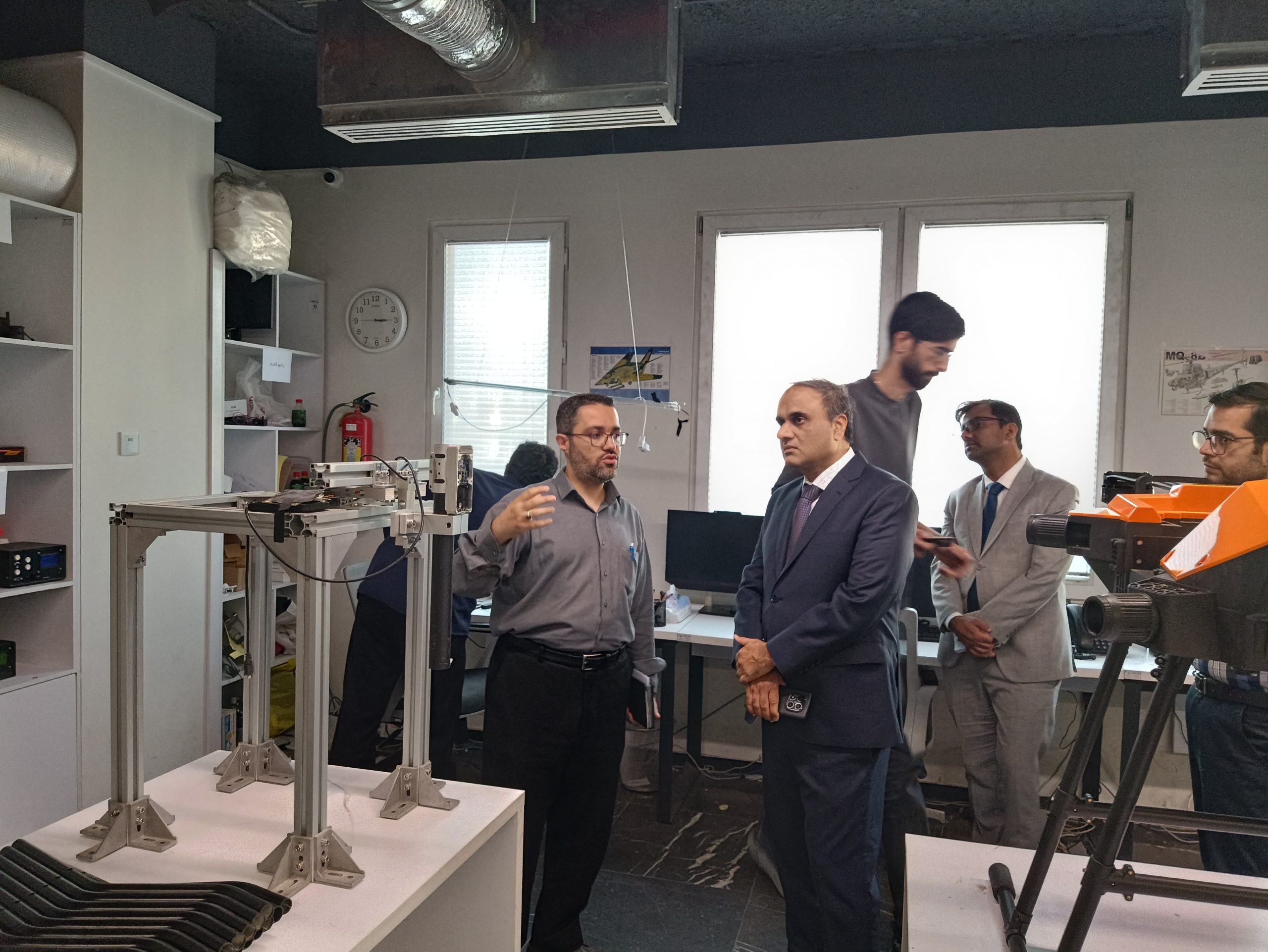
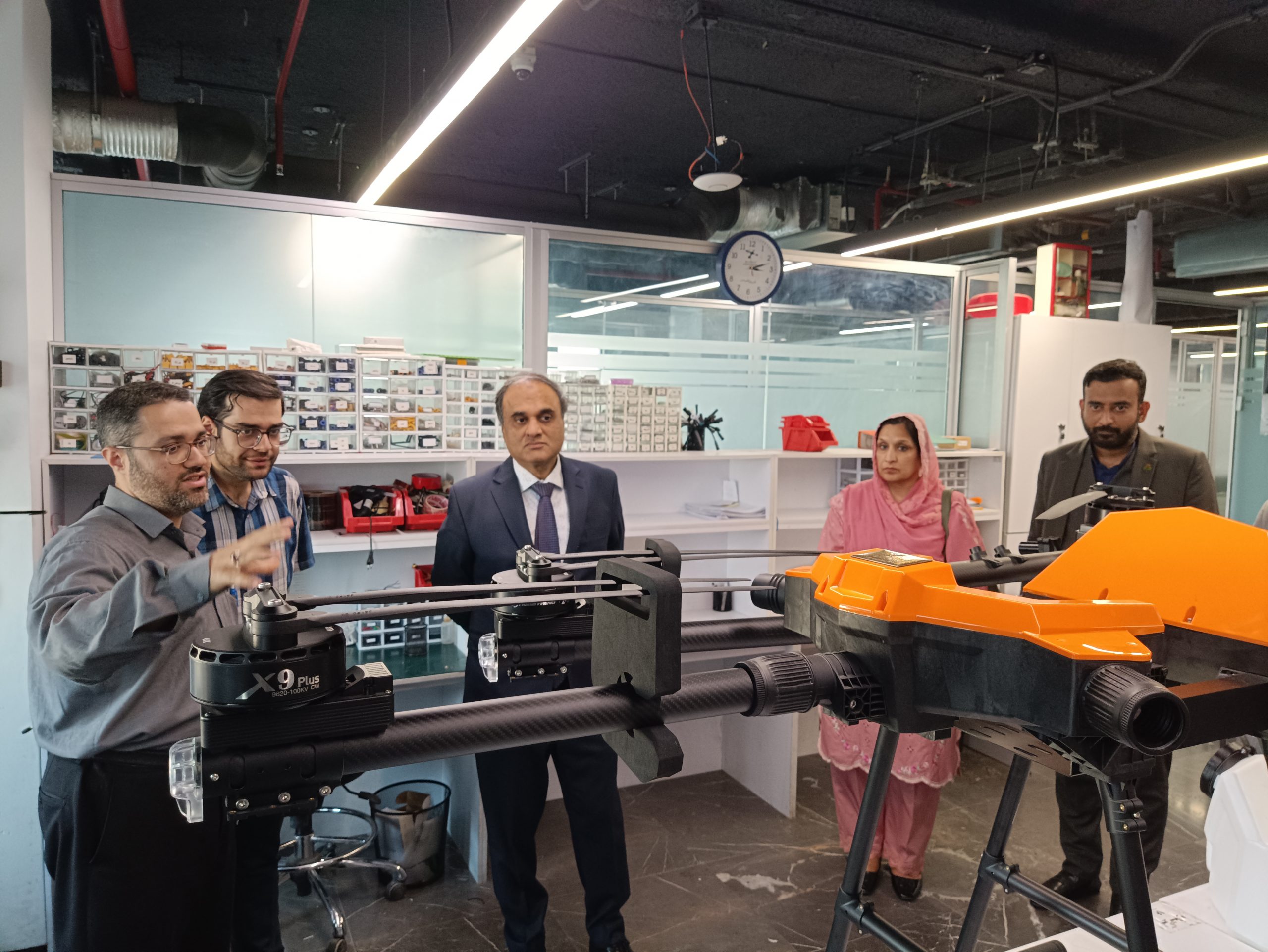
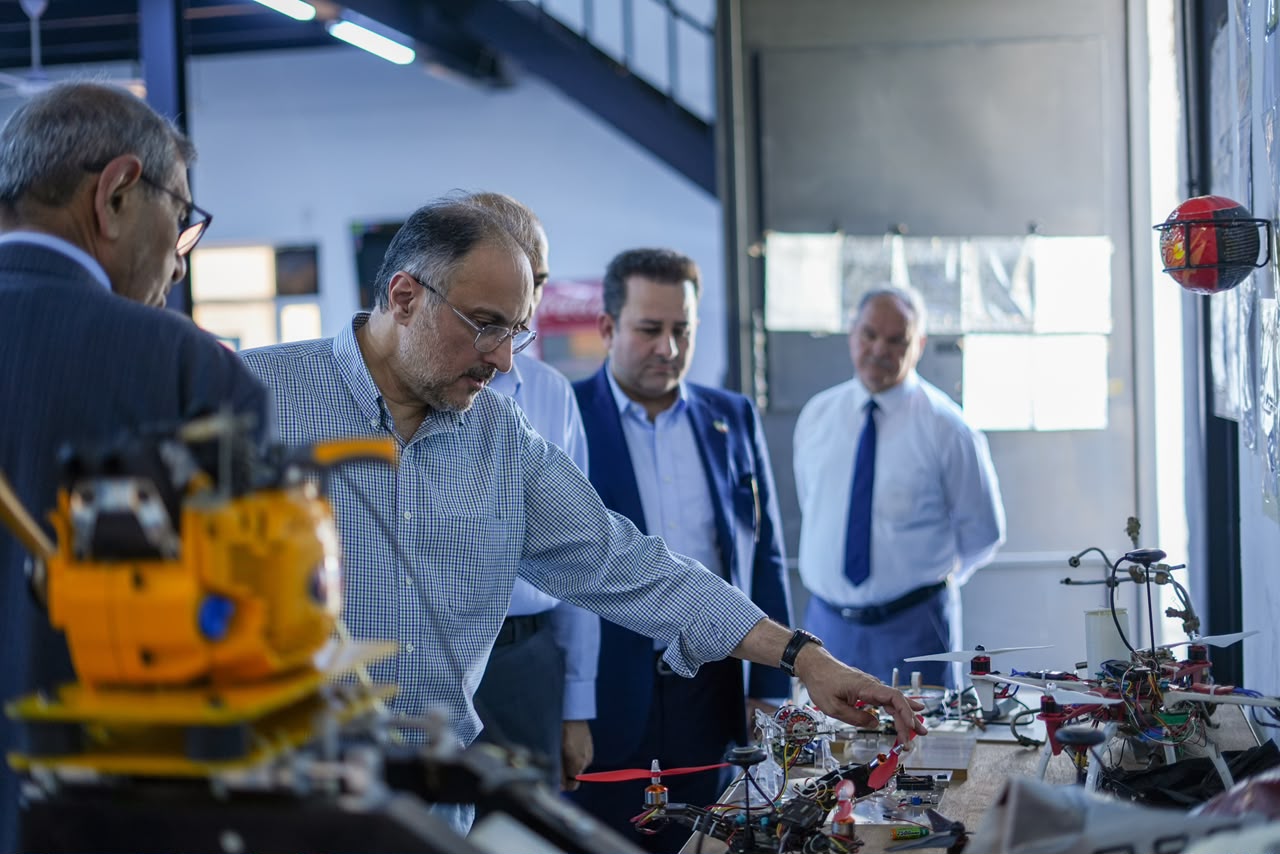
At the conclusion of the visit, the Pakistani delegation toured the Dar al-Salam Library of the Department of Physics, the Ultrasonic Imaging Technology Services Office, and Sharif Agricultural Robotics Technology Company. The delegation gained firsthand insight into part of the university’s technological and innovative capabilities and those of the Sharif Innovation Area.

Ambassador of Uzbekistan Visits Sharif University of Technology to Discuss Expanding Scientific and Technological Cooperation

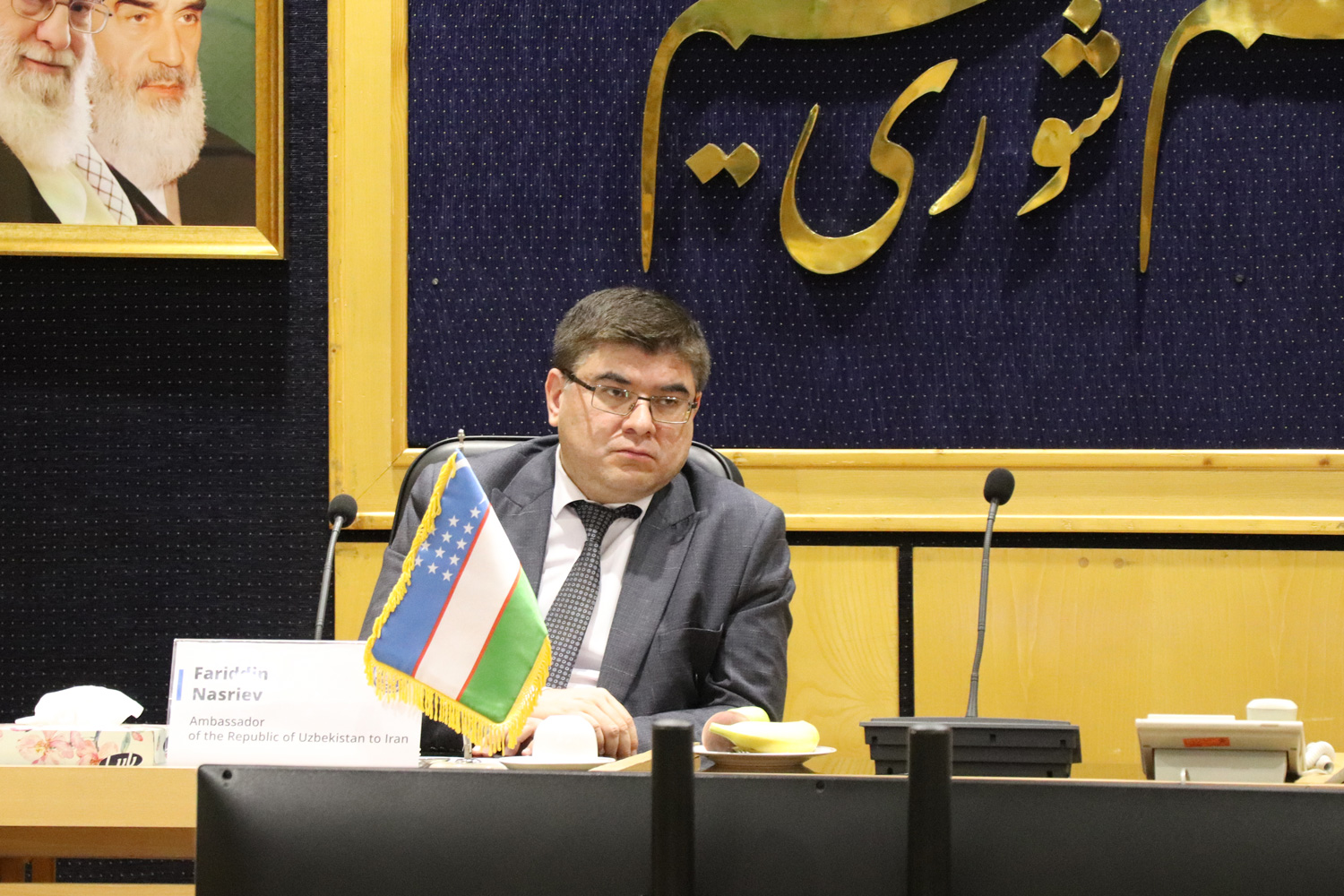
The Ambassador of the Republic of Uzbekistan and his delegation visited the university, where, after learning about its educational, research, industrial, and technological capabilities, they discussed avenues for expanding joint scientific and technological cooperation between the two countries.

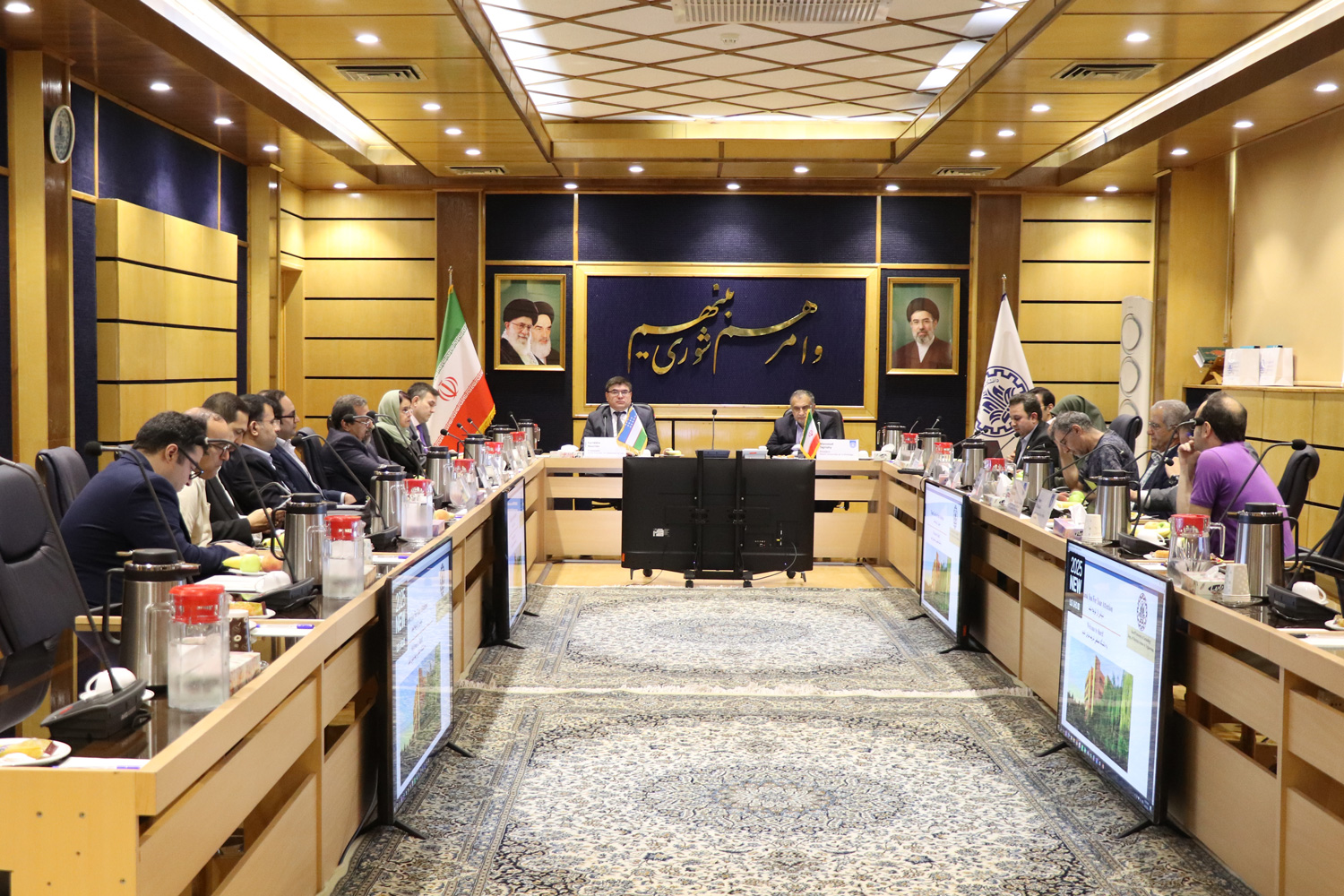
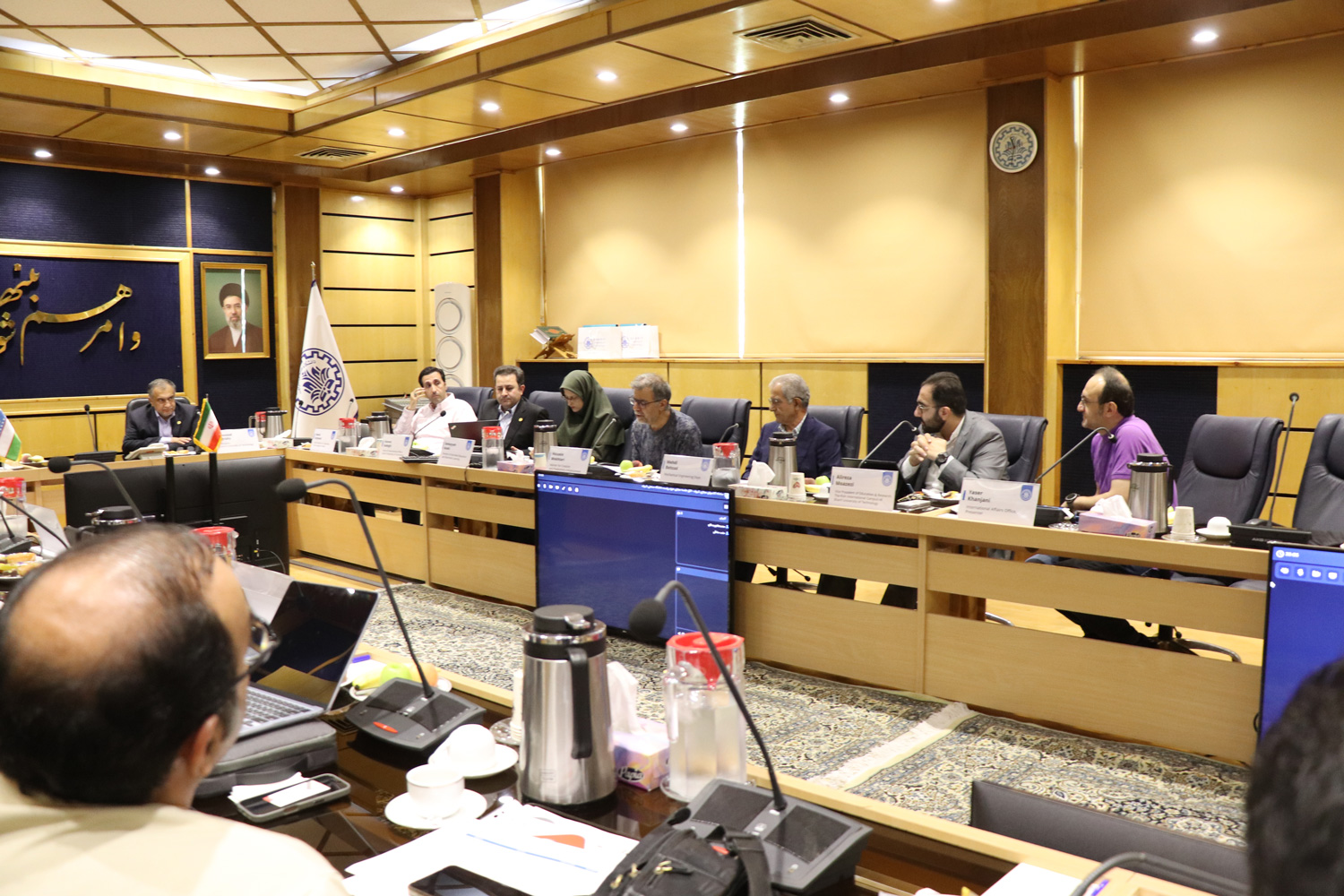
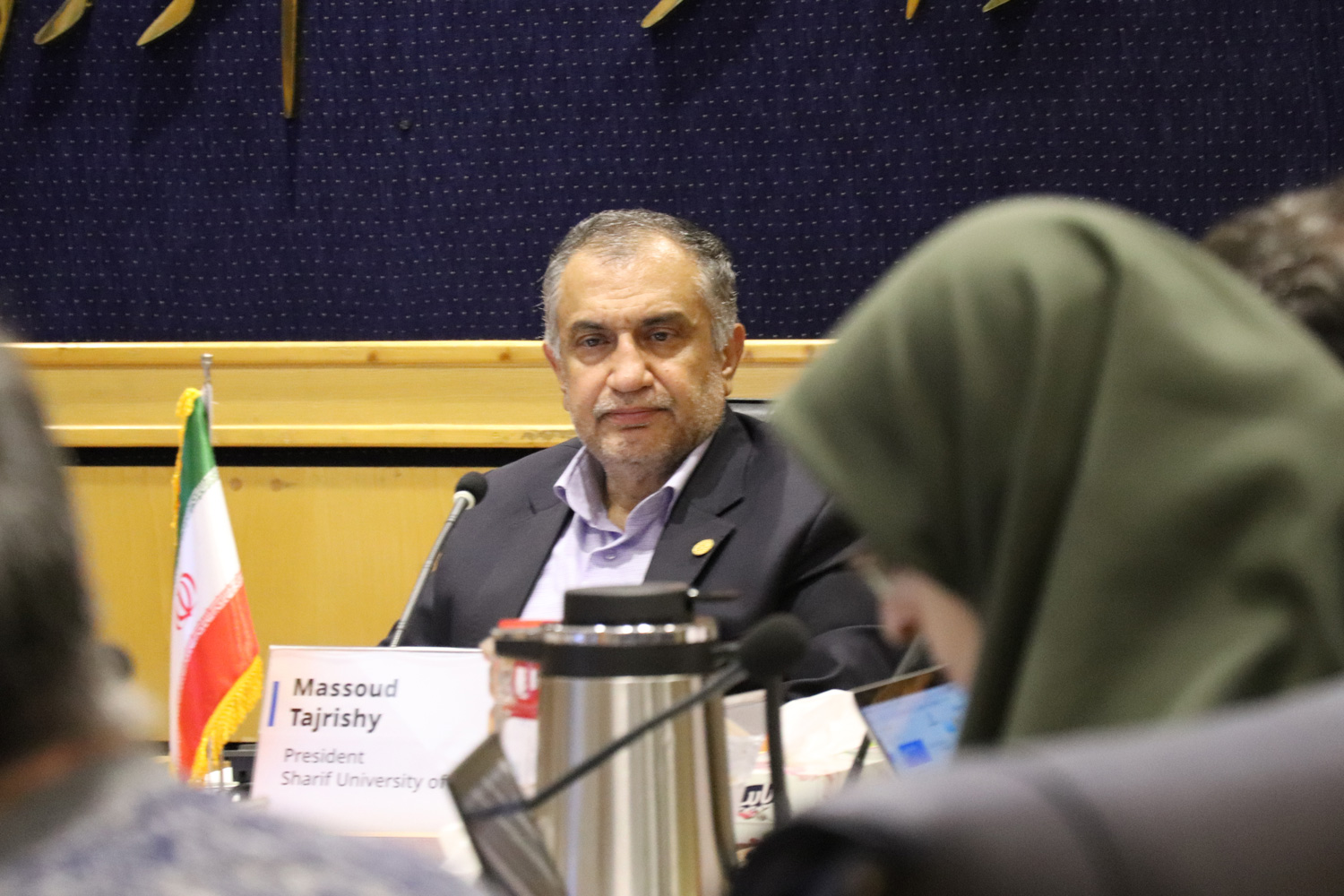
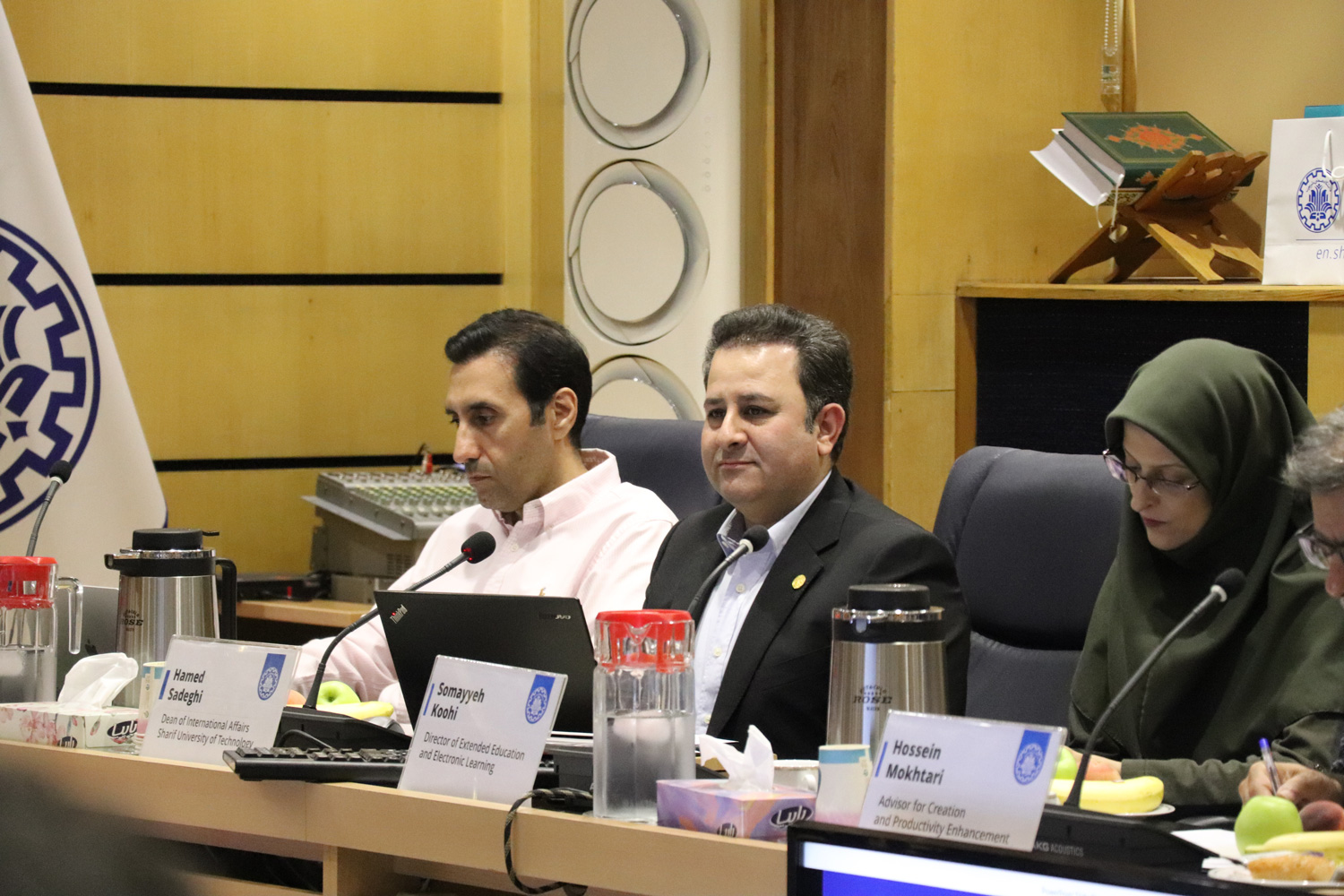
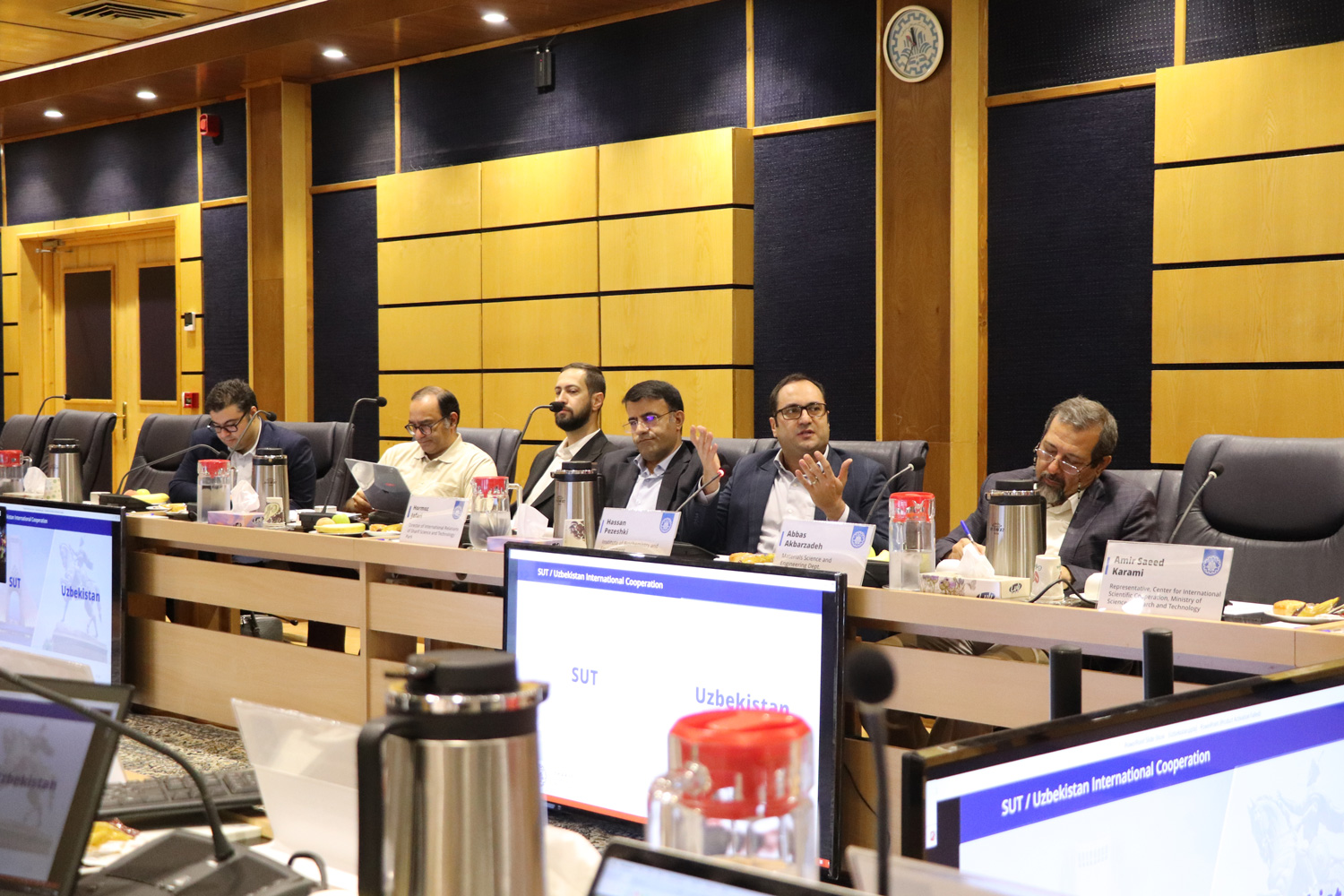
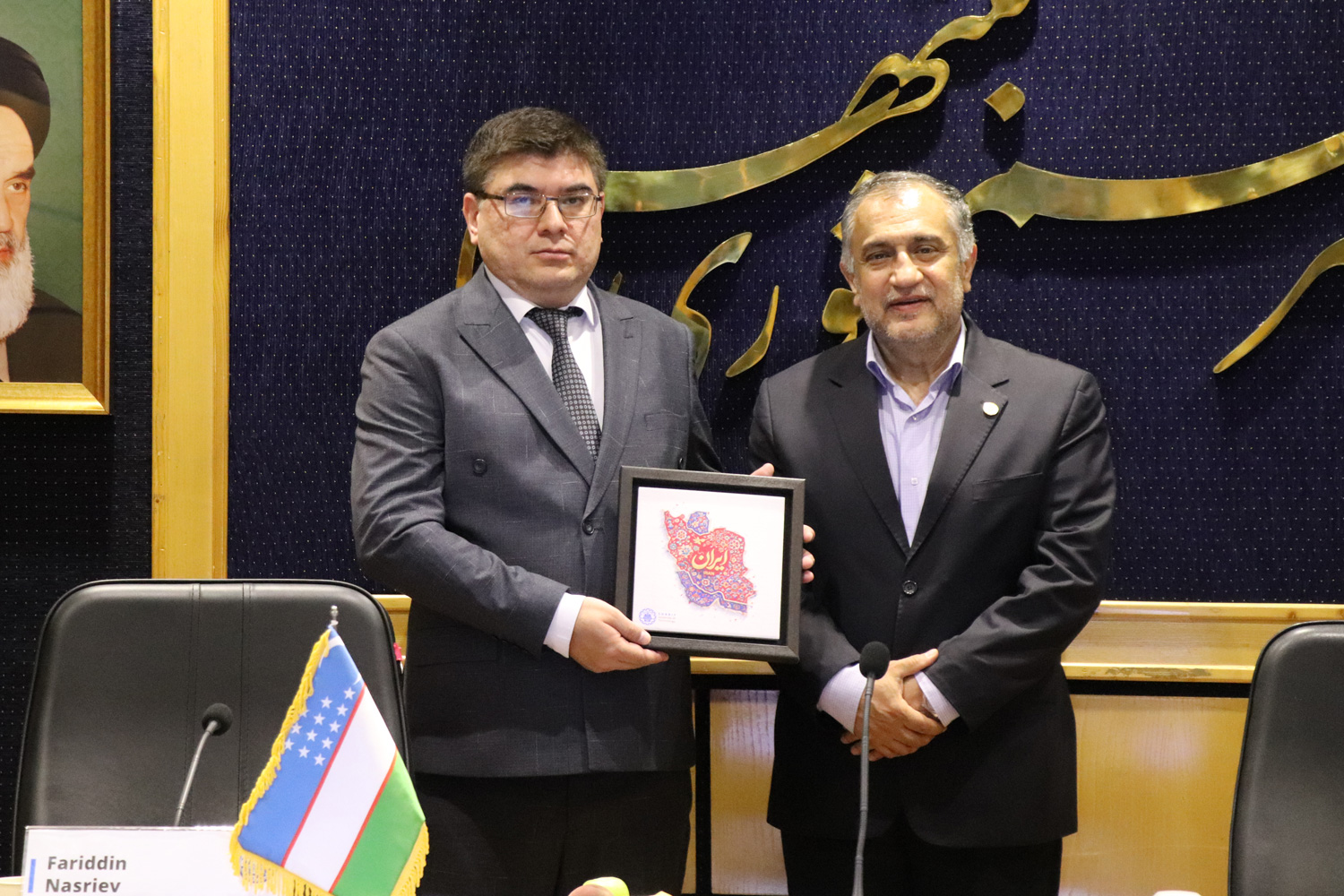
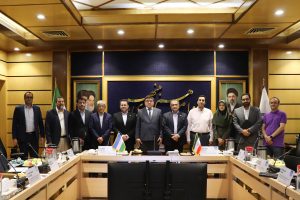
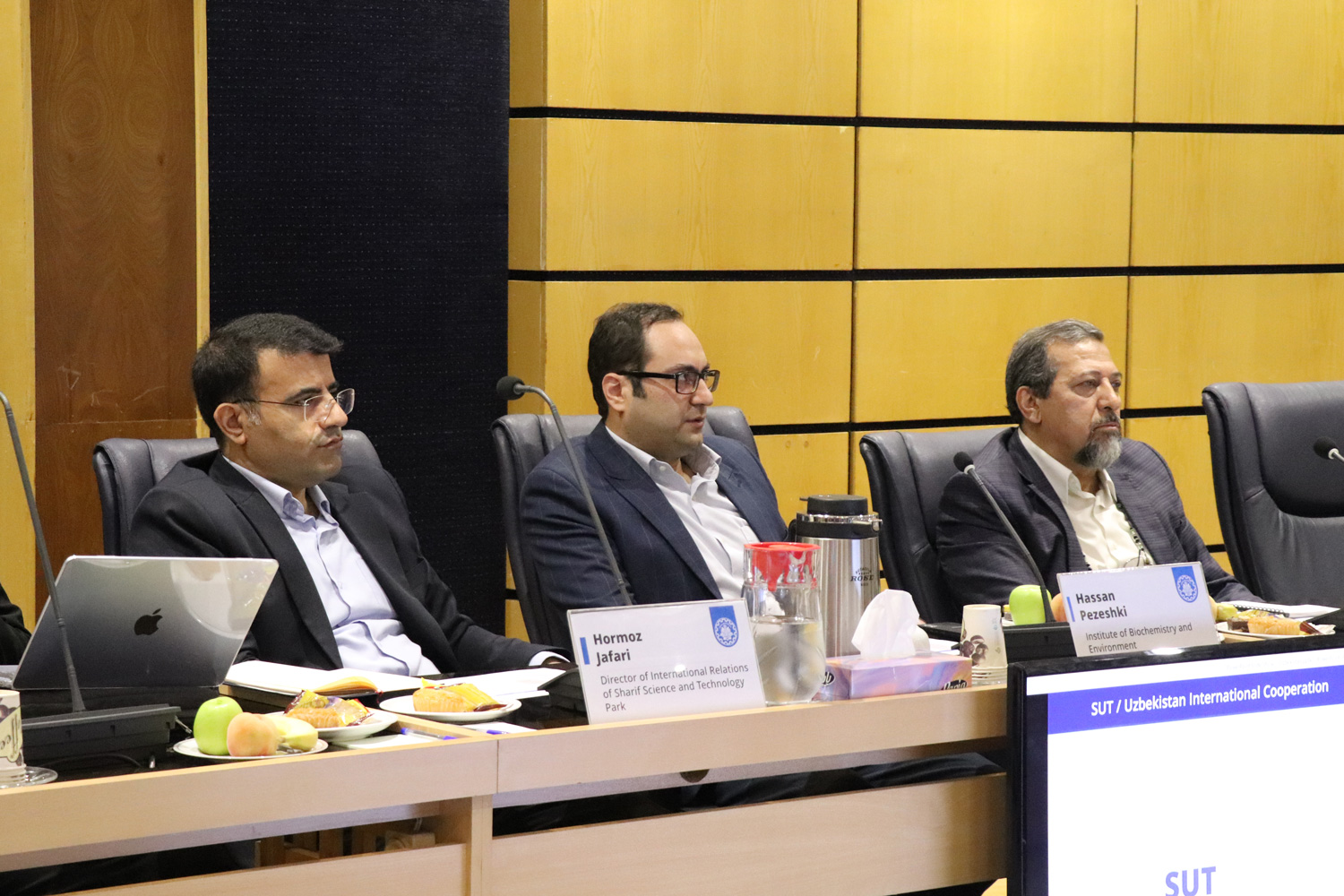
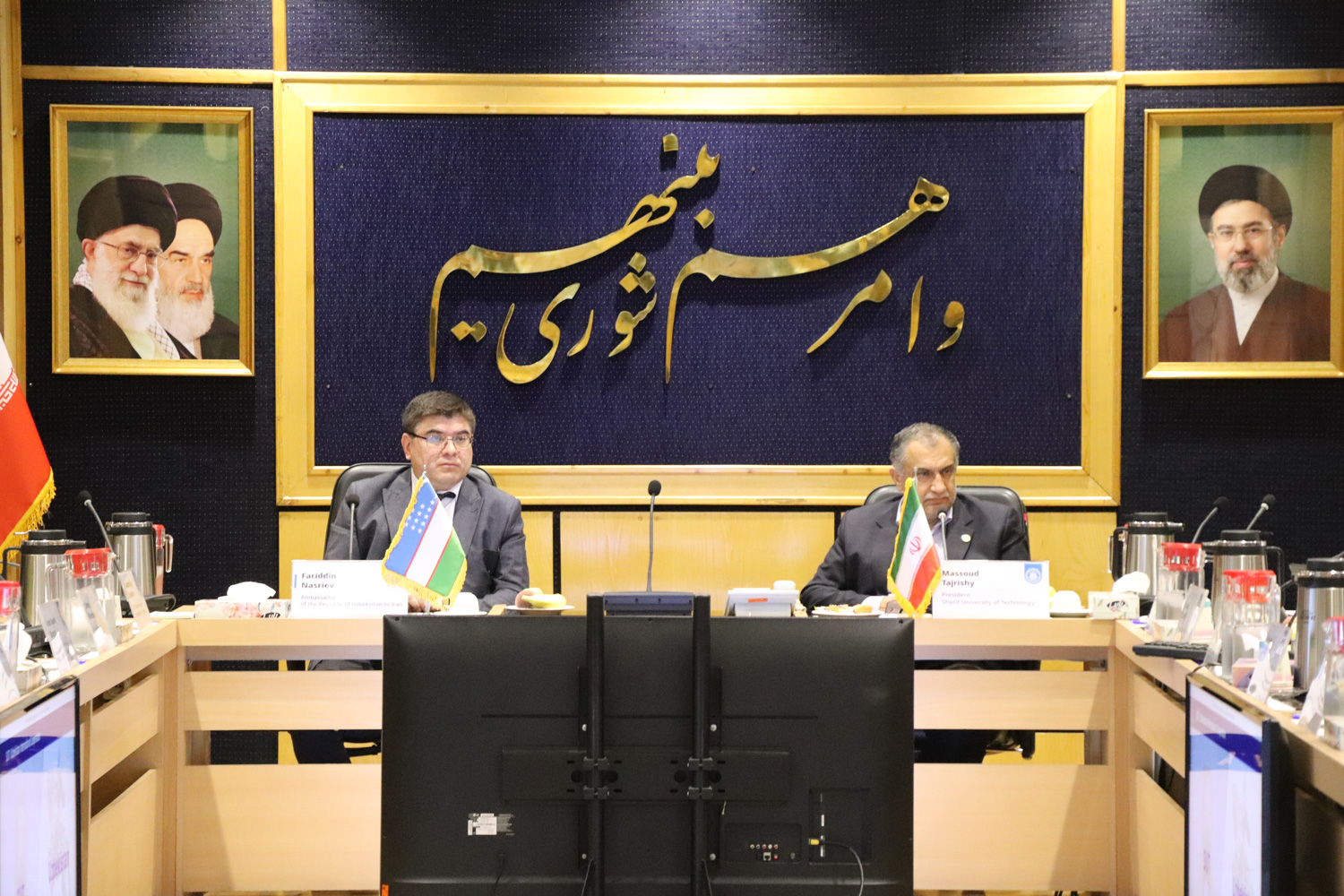
At the meeting, held on Monday, 7 September, Mr. Fariddin Nasriev, Ambassador of Uzbekistan, Mr. Sardorkhoja Muminov, First Deputy Ambassador, and the accompanying delegation met with Prof. Massoud Tajrishy, President of Sharif University of Technology, Prof. Navid Arjmand, Vice-President for Education and Postgraduate Studies, Dr. Hamed Sadeghi, Dean of International Affairs, and a group of faculty members and university administrators, to discuss the two sides' potential areas of cooperation.

At the start of the meeting, Dr. Hamed Sadeghi welcomed the Uzbek diplomatic delegation and presented a report on Sharif University of Technology's activities and achievements in education, research, industry, and technology. He then outlined the university's educational capacities and those of the Sharif Open Education Center, including the offering of online courses across various fields of engineering science and at different academic levels.

Given the recently launched collaboration between the University's Faculty of Materials Science and Engineering and Uzbekistan's Jizzakh Institute of Technology in the field of industrial basalt materials, the research, laboratory, and industrial capacities of that faculty were also introduced.

Later in the meeting, potential areas of joint cooperation were discussed, including renewable energy, electric cars and buses, solar panels and electric vehicle charging equipment, and water and industrial wastewater treatment. The capabilities of the university's Science and Technology Park and the Sharif Innovation District were also presented, along with the experiences of several knowledge-based and technology companies in engaging with the Uzbek market - including launching educational platforms, producing media content, offering products in the Uzbek language, participating in exhibitions and specialized workshops, and establishing customer engagement channels in Uzbekistan.

Prof. Massoud Tajrishy, President of Sharif University of Technology, welcomed the Uzbek Ambassador and his delegation and, referencing the historical, civilizational, and cultural ties between Iran and Uzbekistan, emphasized the broad potential of the two countries to expand scientific and technological cooperation.

Citing the university's successful track record of engagement with international universities and research centers, the President of Sharif University of Technology expressed the university's readiness to expand cooperation with leading Uzbek institutions and universities in education, research, industry engagement, and technology transfer. He also emphasized strengthening cultural cooperation within the academic sphere, including plans to organize joint student camps between the two countries.

The Uzbek Ambassador, in turn, thanked Sharif University of Technology for its hospitality and conveyed a message of sympathy from the government and people of Uzbekistan following the attacks against Iran.

Mr. Fariddin Nasriev expressed interest in pursuing and expanding scientific and research cooperation between Sharif University of Technology and Uzbekistan's leading universities and institutions, emphasizing the admission of talented Uzbek students to Sharif and the organization of joint online courses and workshops.

He also identified the expansion of research cooperation to address major shared challenges facing the two countries - particularly in the fields of energy, water, and the environment - as an important area of cooperation between Iran and Uzbekistan.
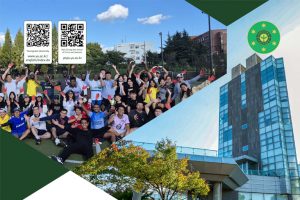
Exploring Joint Cooperation Opportunities between Sharif University (SUT) and Al-Zahraa University (Iraq) in the Field of Artificial Intelligence

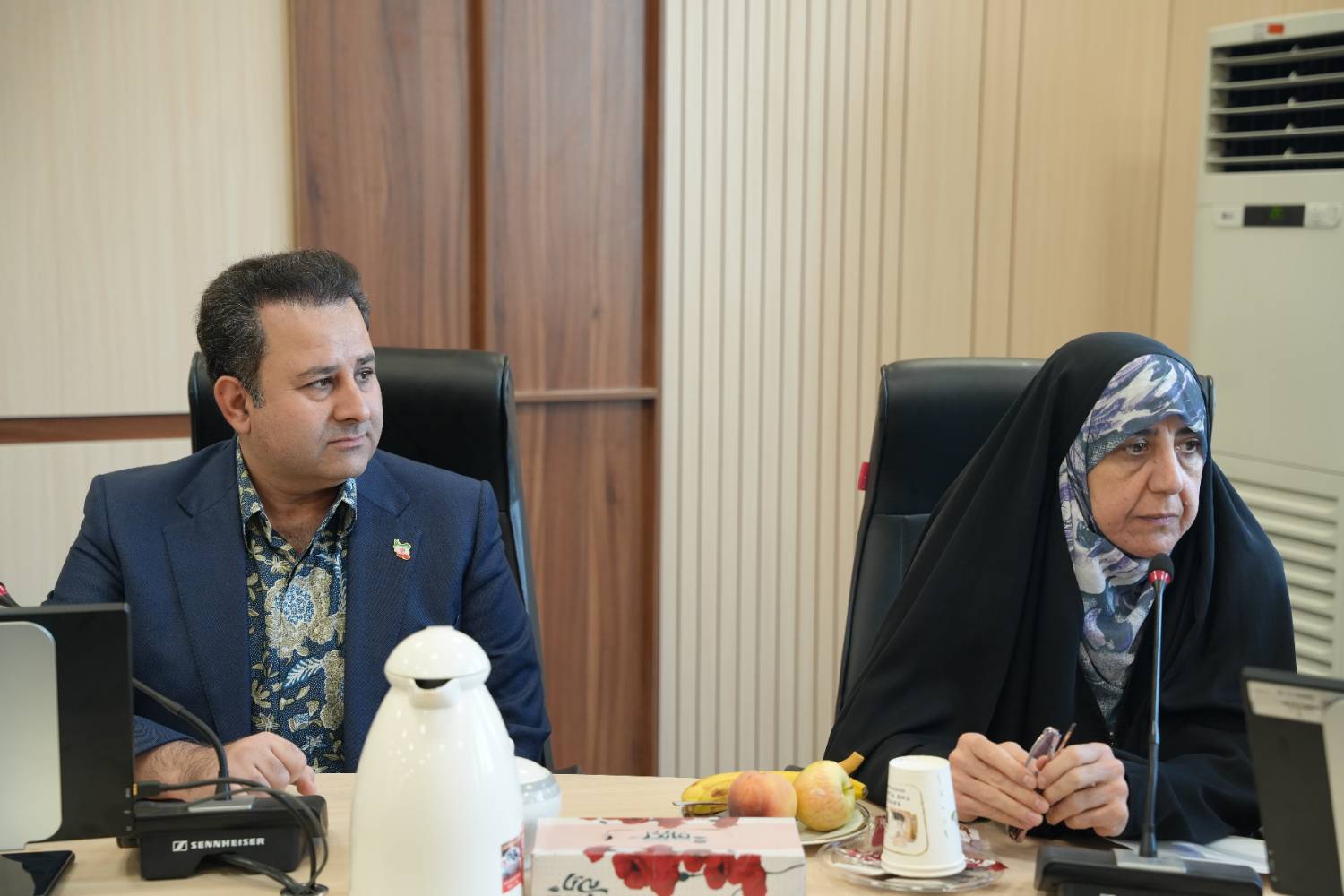
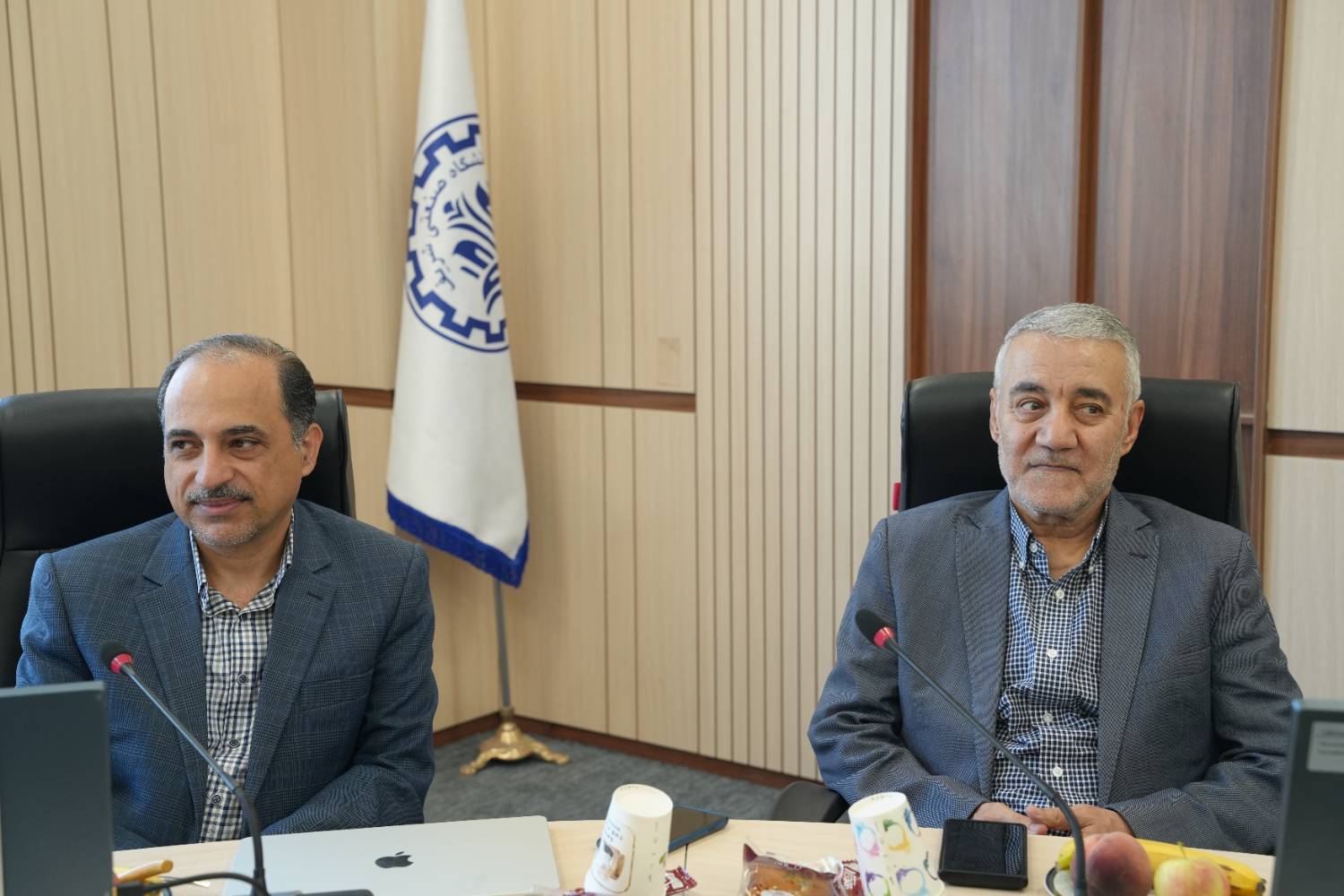
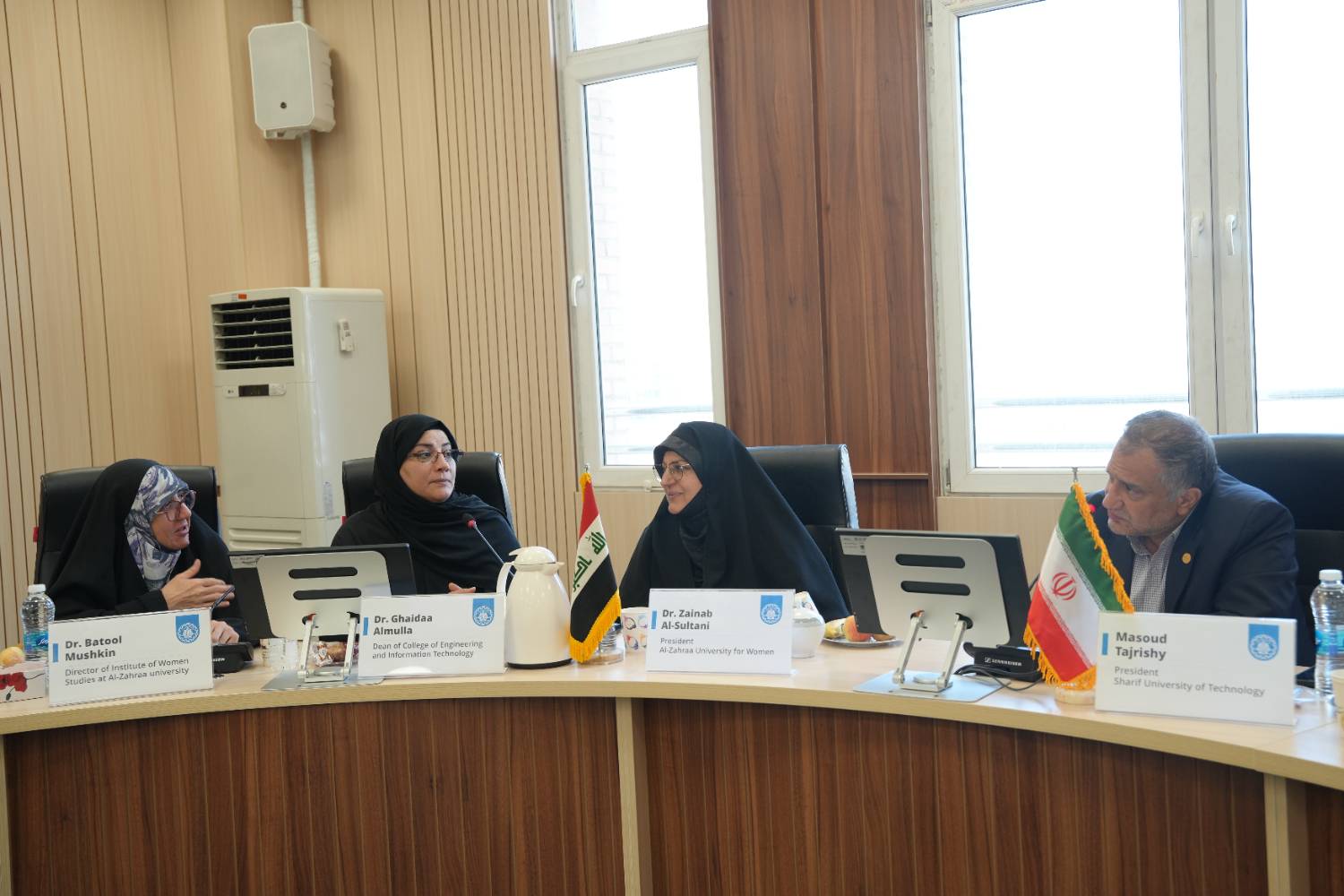
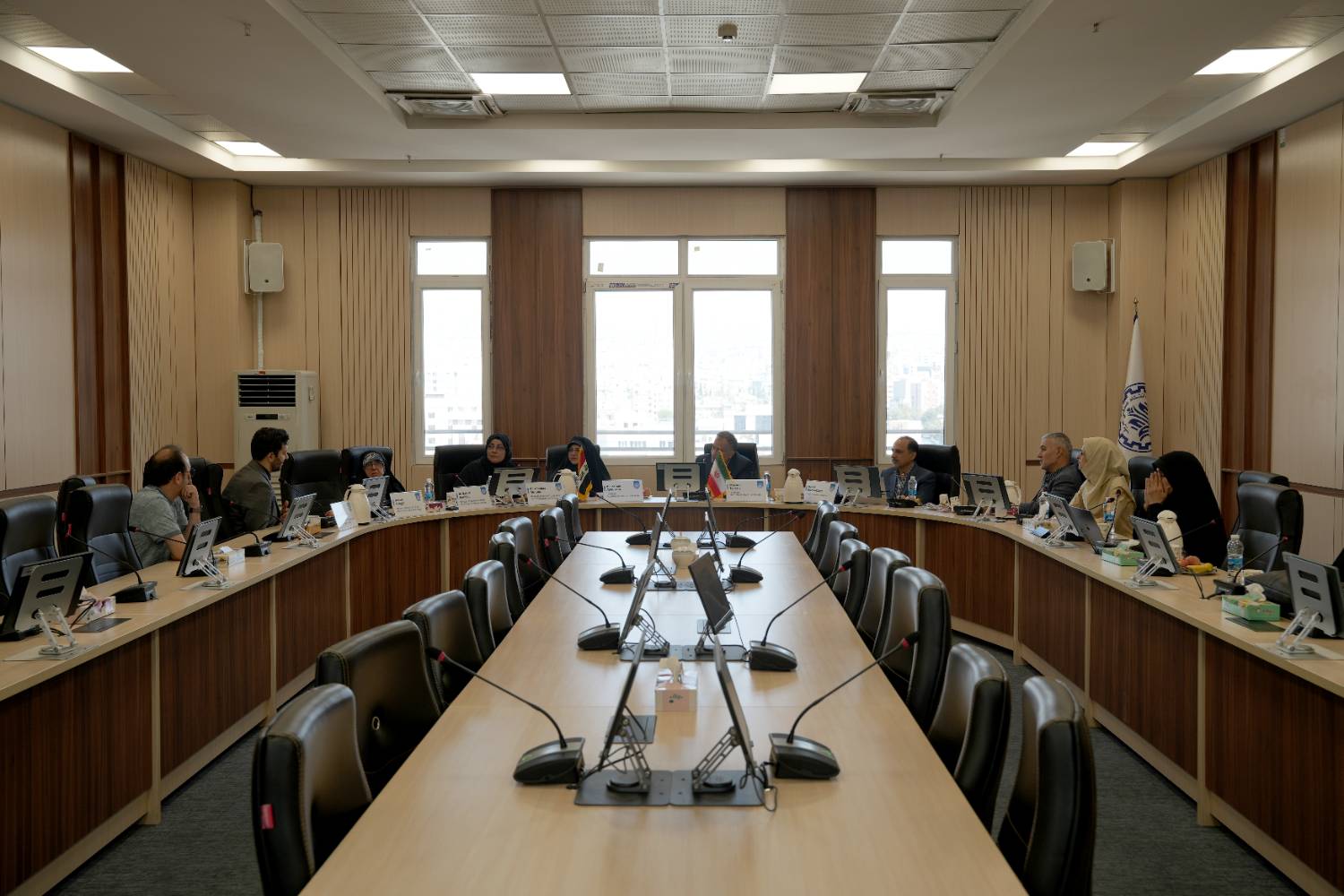
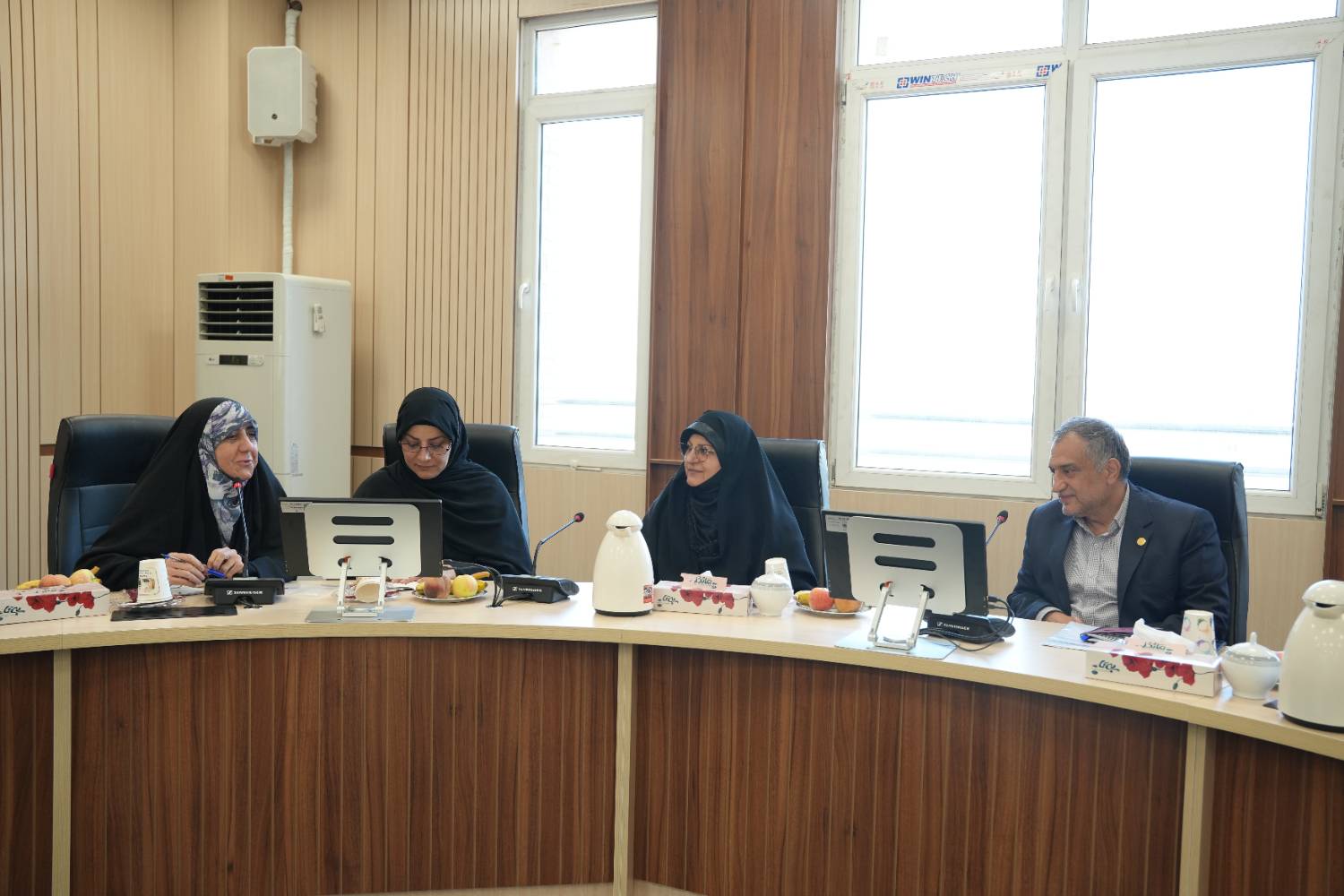
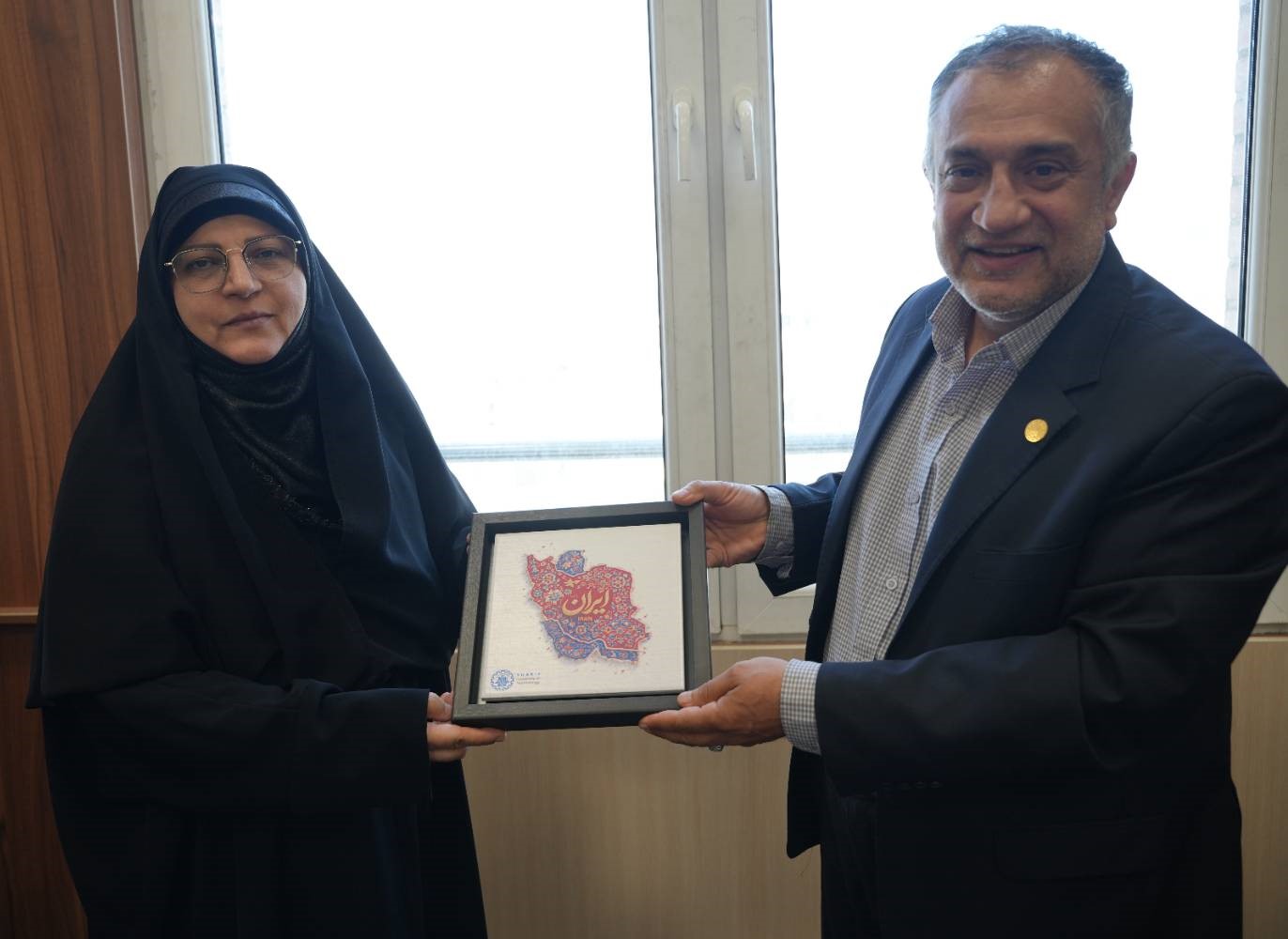
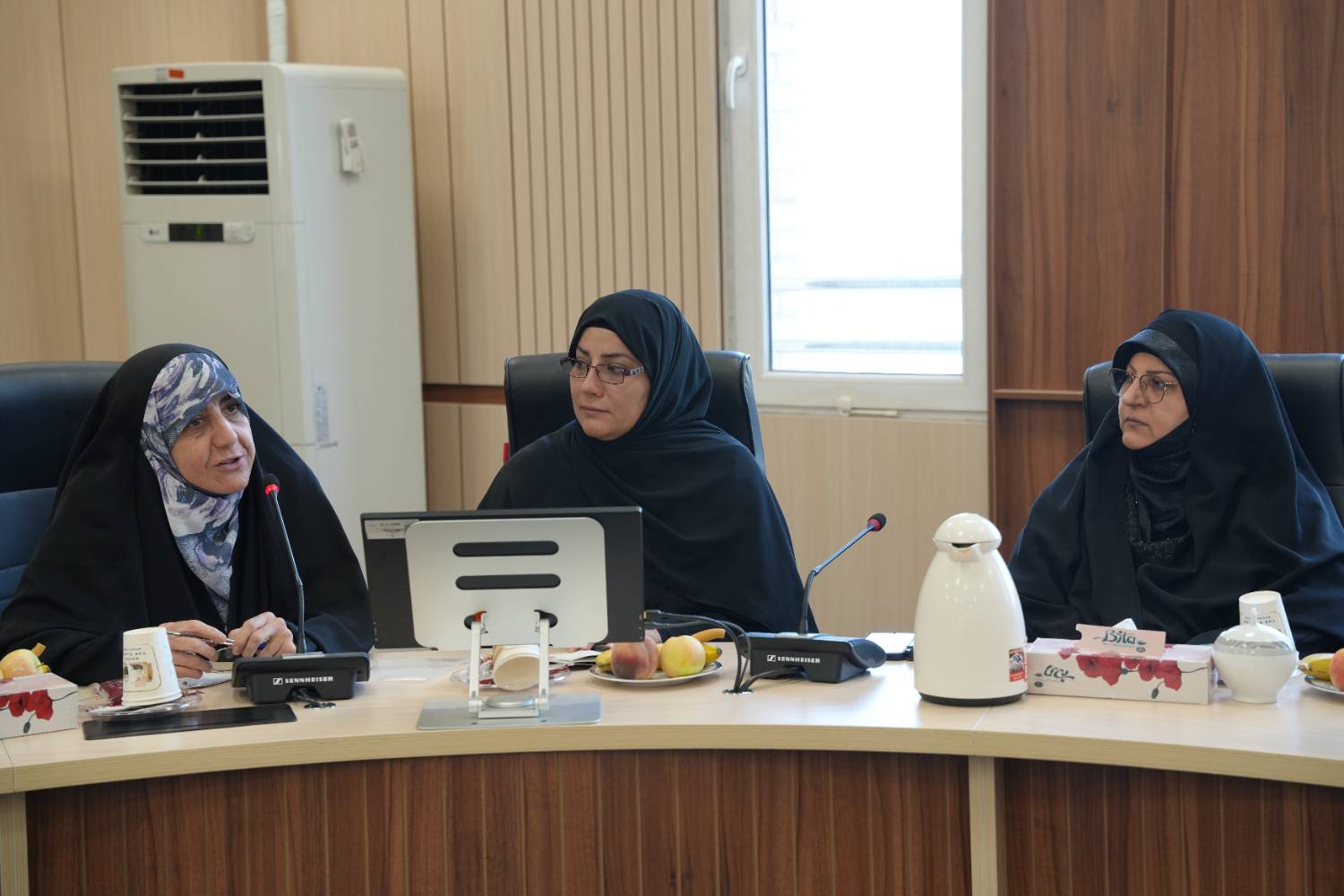
Officials from SUT and Al-Zahraa University in Iraq held a joint meeting to discuss areas of educational cooperation, particularly in the field of artificial intelligence and generative systems at the master's degree level.

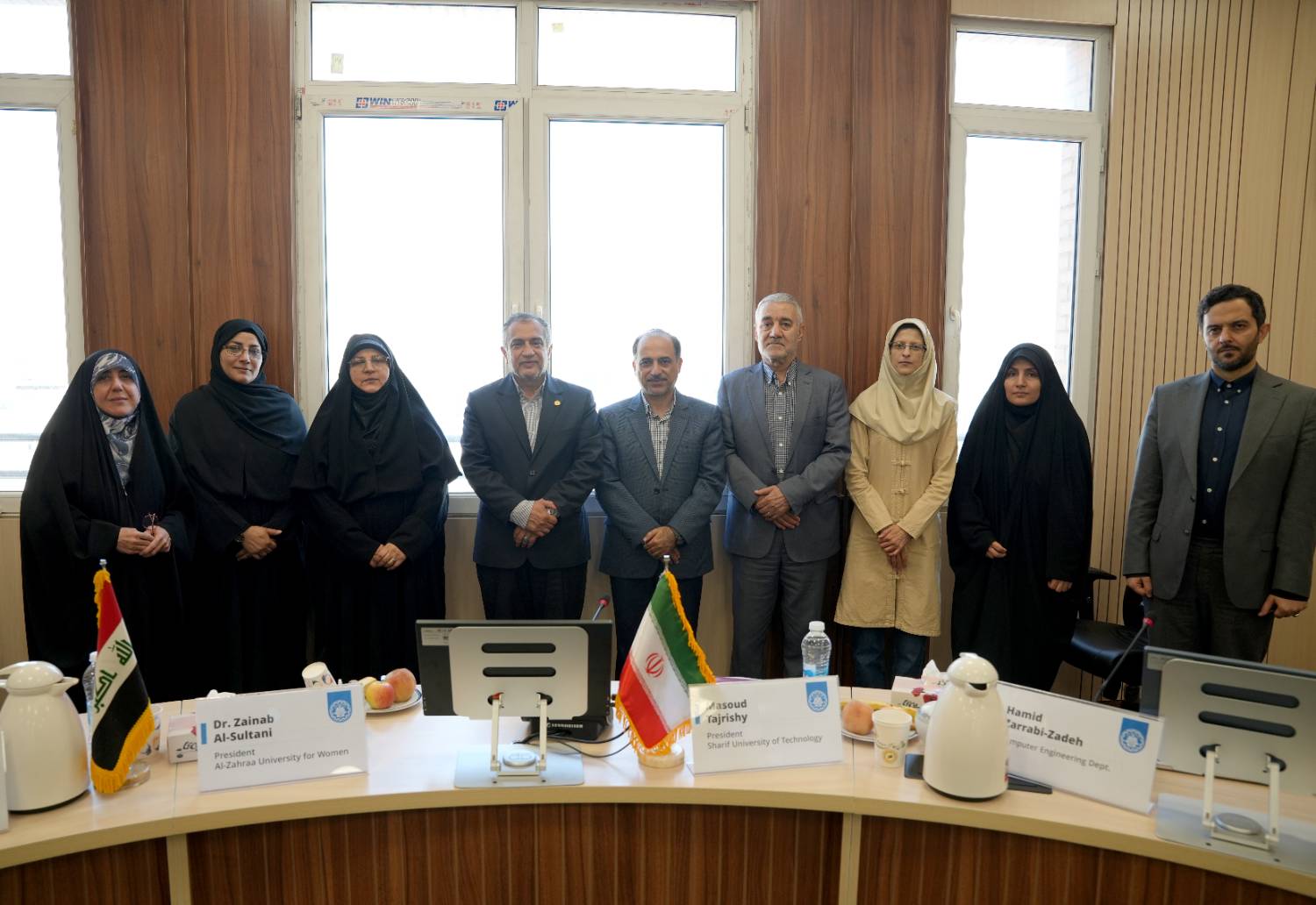
On Tuesday, September 1, 2026, a high-ranking delegation from Al-Zahraa University for Women in Iraq visited SUT with the aim of exploring and strengthening joint educational and research cooperation.

Dr. Zainab Al-Mulla Al-Sultani, President of Al-Zahraa University in Iraq, referred to the educational and research capacities of her university during this meeting. She stated that the purpose of the Iraqi delegation's visit to SUT was to develop joint educational cooperation, adding: "Cooperation in the field of artificial intelligence and generative systems at the master's level, as well as launching joint courses, are among the key areas of interest for our university."

She also highlighted the achievements of Al-Zahraa University in educational and research fields and announced the expansion of the university's scientific cooperation network with Asian and European universities.

Dr. Massoud Tajrishy, President of SUT, also welcomed the delegation from Al-Zahraa University and emphasized the necessity of expanding scientific and research cooperation among Islamic countries, especially neighboring nations.

The President of SUT went on to elaborate on the university's capacities and achievements in educational, research, and technological fields, highlighting Sharif's distinguished position in engineering, industry relations, and the university's innovation ecosystem. The Sharif Innovation District and the presence of over 700 knowledge-based companies were among the capacities introduced during this visit.

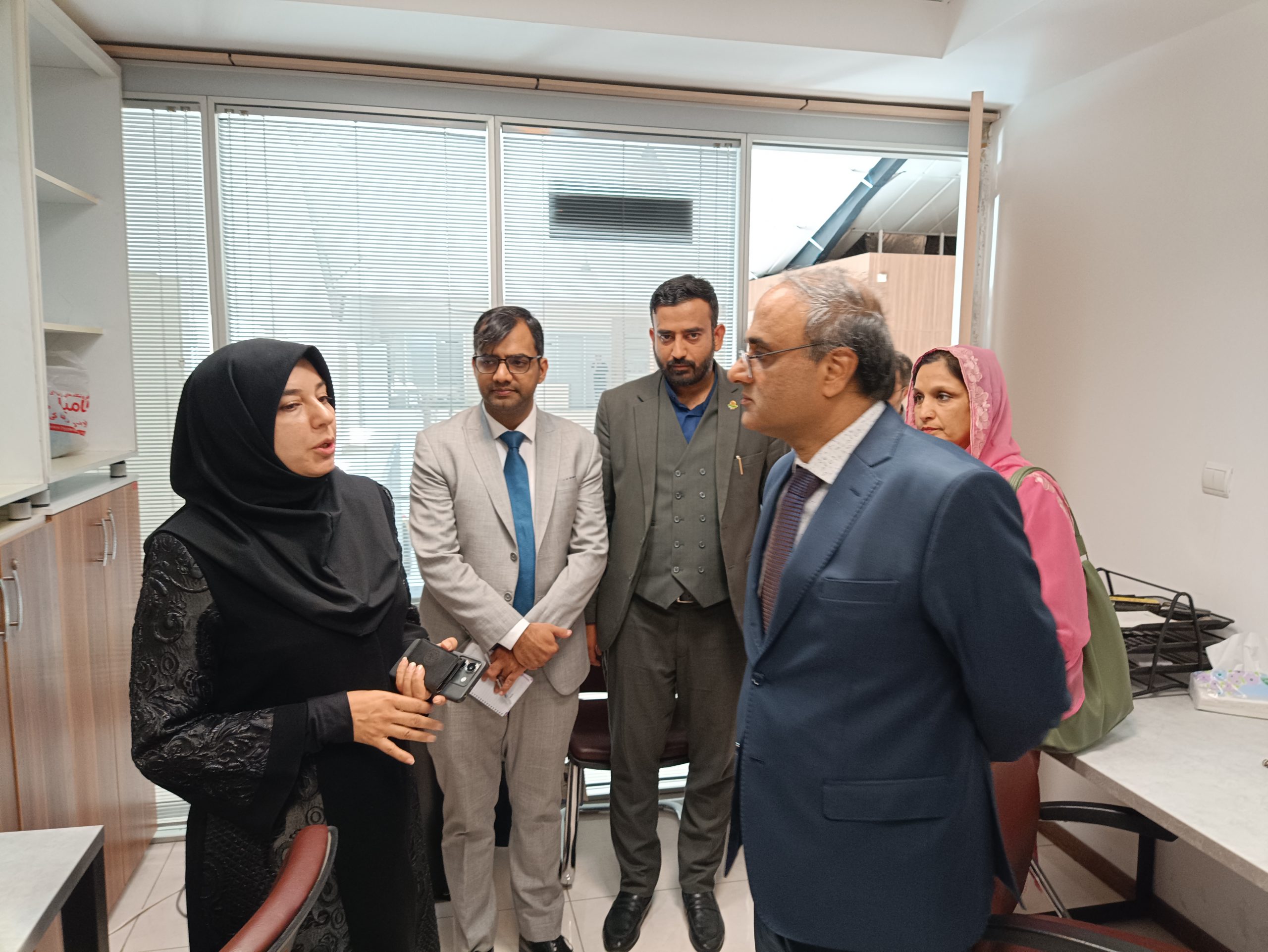
In conclusion, the delegation from Al-Zahraa University in Iraq visited the Faculty of Computer Engineering at SUT, where they became acquainted with the capacities and educational and research activities of this faculty and examined potential areas for joint cooperation.

Students from The Kish International Campus of Sharif University of Technology Attend Summer Program Hosted by Uzbekistan

An academic, educational, industrial, and cultural experience aimed at familiarizing students with Uzbekistan’s higher education, research, industrial, and cultural capacities.

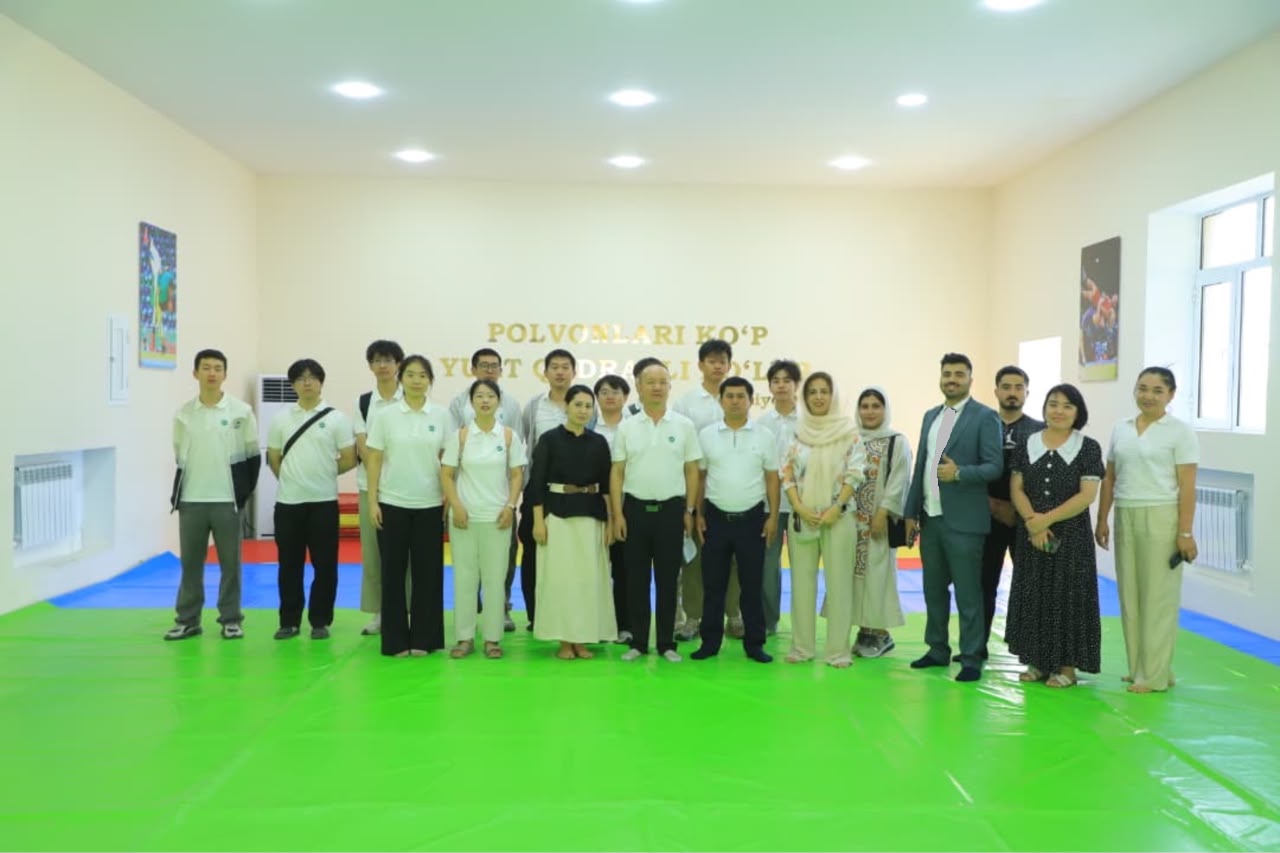
A group of students from The Kish International Campus of Sharif University of Technology, accompanied by Dr. Hani Sadr, Director of International Affairs at the Campus, traveled to Uzbekistan as part of an academic, educational, and cultural summer program. The program included visits to the cities of Tashkent, Jizzakh, and Samarkand, with the aim of enhancing students’ international experience and familiarizing them with Uzbekistan’s academic, educational, industrial, and cultural capacities.

The first part of the program took place in Tashkent, where the student delegation met with Dr. Fazliddin from the Ministry of Higher Education, Science and Innovation of Uzbekistan. During the meeting, the academic and educational capacities of the two countries were discussed, along with potential areas for expanding academic interactions and developing joint cooperation.
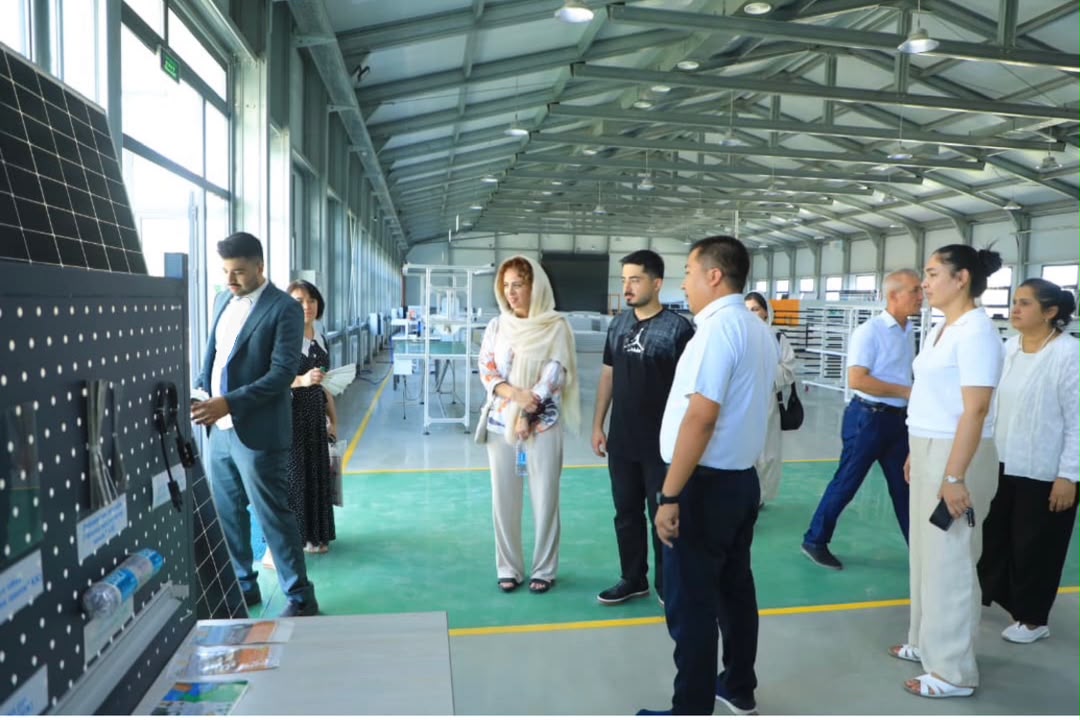
One of the main components of the program was a visit to Jizzakh Polytechnic Institute. Accompanied by Dr. Eshkulov, Dr. Maoghaddas, and a group of faculty members and students participating in a summer program from China, the Sharif students toured various sections of the institute and became acquainted with its educational, research, and technological capacities. (Note: "Sharif" is kept here as a natural, informal shorthand since the full name was already established in the first paragraph).
The visit included tours of specialized laboratories and workshops, a solar energy laboratory, and facilities related to the manufacturing and assembly of BYD vehicles. These activities provided students with an opportunity to gain first-hand insight into Uzbekistan’s scientific and industrial infrastructure and technological capabilities.

As part of the industrial component of the program, the students visited the Deya Chocolate Factory. In addition to learning about the various stages of production, they visited the factory’s quality-control room and gained an understanding of selected industrial processes as well as the mechanisms used for product quality control and assurance.

The cultural and educational component of the trip included a visit to the Zulfiya and Hamid Olimjon Museum, where students learned about aspects of Uzbekistan’s history and cultural heritage. The program also included a visit to the Kuh-i Zamin area and a college.

The student delegation subsequently traveled to the historic city of Samarkand, where they visited several of the city’s most important historical and cultural landmarks, including the Gur-e-Amir Mausoleum, the historic Registan Square, and the Ulugh Beg Observatory. These visits provided an opportunity for students to learn more about Uzbekistan’s historical, cultural, and civilizational heritage.

The Uzbekistan Summer Program was organized with the aim of enhancing students’ international experience, familiarizing them with the country’s academic, educational, and industrial capacities, strengthening inter-university relations, and creating new opportunities for academic and educational cooperation.

In addition to providing students with opportunities for learning and first-hand experience in academic and industrial environments, the trip created a platform for cultural and academic interaction among students from different countries and enabled students of The Kish International Campus of Sharif University of Technology to gain a closer understanding of the region’s academic, technological, industrial, and cultural potential.

Joint Mechatronics Program Launch: Sharif University and Al-Farahidi Hold First Admissions Interview in Baghdad

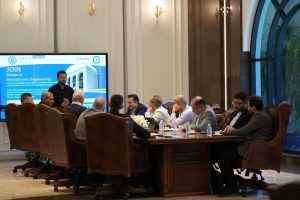
In a significant step toward expanding scientific and international collaboration, Sharif University of Technology (SUT) and Al-Farahidi University (AFU) in Iraq have conducted the first in-person interviews for applicants to their joint Master’s program in Mechatronics Engineering.

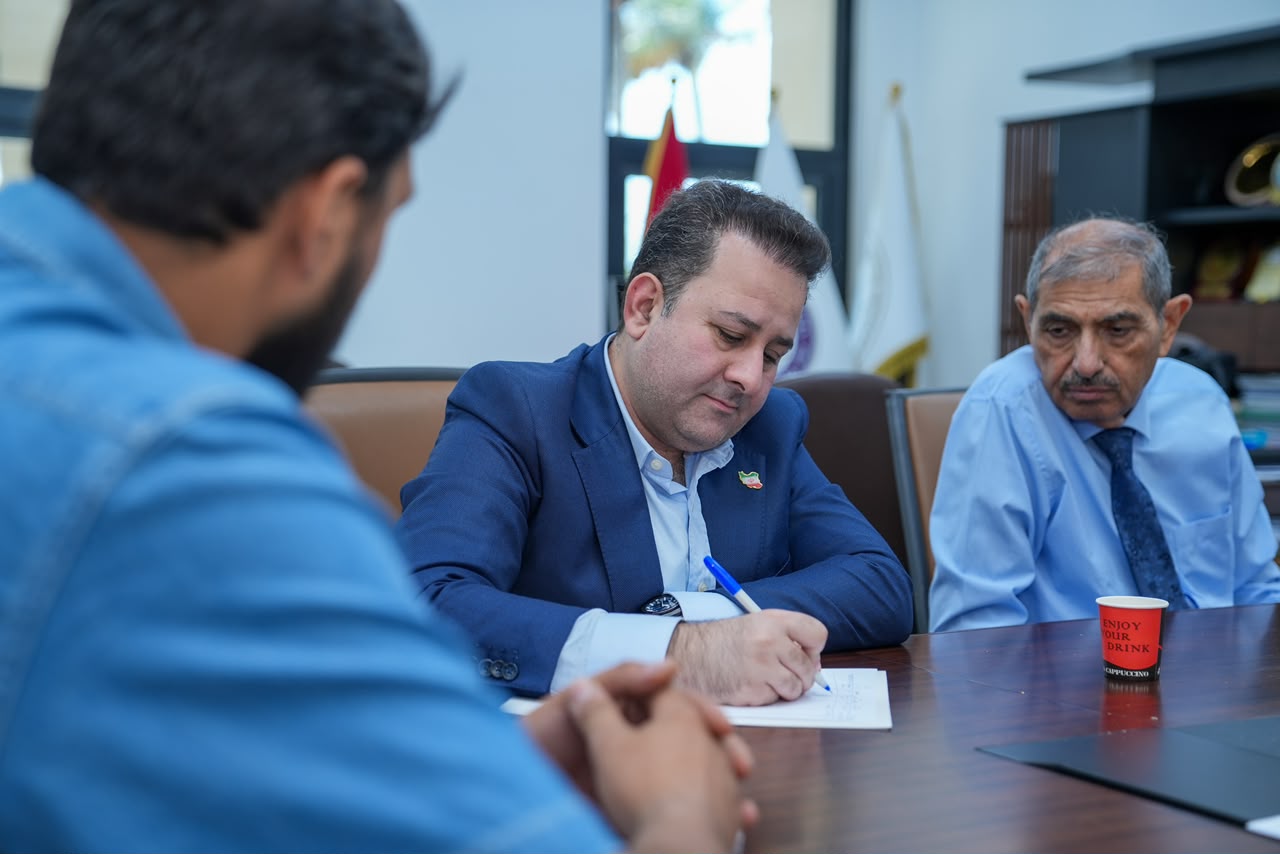
A delegation from SUT’s Faculty of Mechanical Engineering, comprising Dr. Alasti (Chair), Dr. Saadat (Vice Chair for Education), and Dr. Vosoughi (Mechatronics Program Director), accompanied by Dr. Sadeghi (Dean of the Center for Scientific and International Collaborations), traveled to Baghdad on August 19–20, 2026. The visit was hosted by AFU and marked the first face-to-face interviews for prospective students of the newly established joint graduate program.

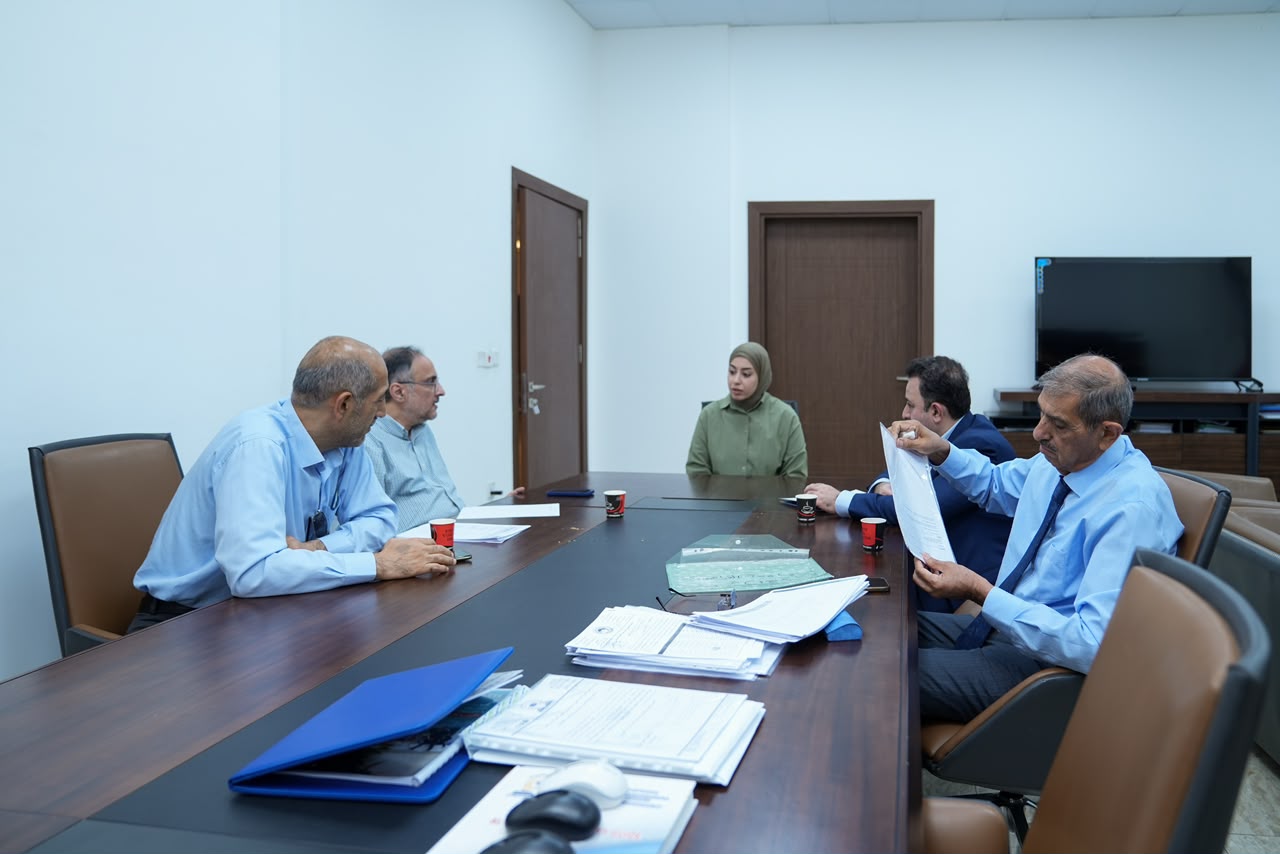
The interview panel also included senior representatives from AFU, such as the Chair of the Board of Trustees, the University President, the Vice President for Academic Affairs, and the deans of both the Faculty of Engineering and the Faculty of Technical Engineering. Together, they assessed candidates based on academic records, English proficiency, and motivation for graduate study.

The joint Master’s in Mechatronics Engineering was officially approved by Iraq’s Ministry of Higher Education following a year of negotiations and preparatory work. For the inaugural cohort, 23 applications were received. After rigorous evaluation during the interviews and document reviews, seven candidates were deemed eligible for admission.

Per the regulations set by Iraq’s Ministry of Higher Education, and in order to maintain high educational standards in collaboration with top international universities, the intake capacity for the first year has been capped at 10 students—a number that may be expanded in future semesters.

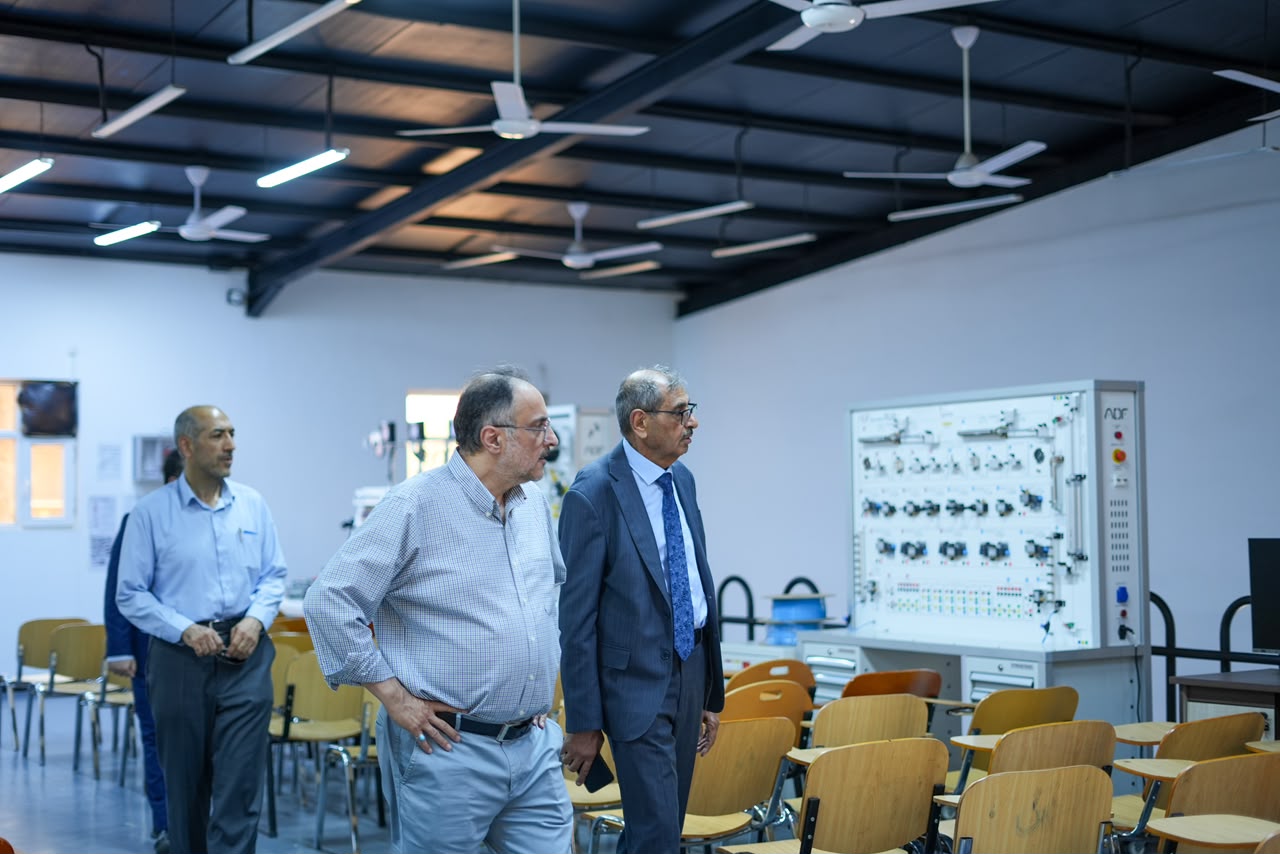
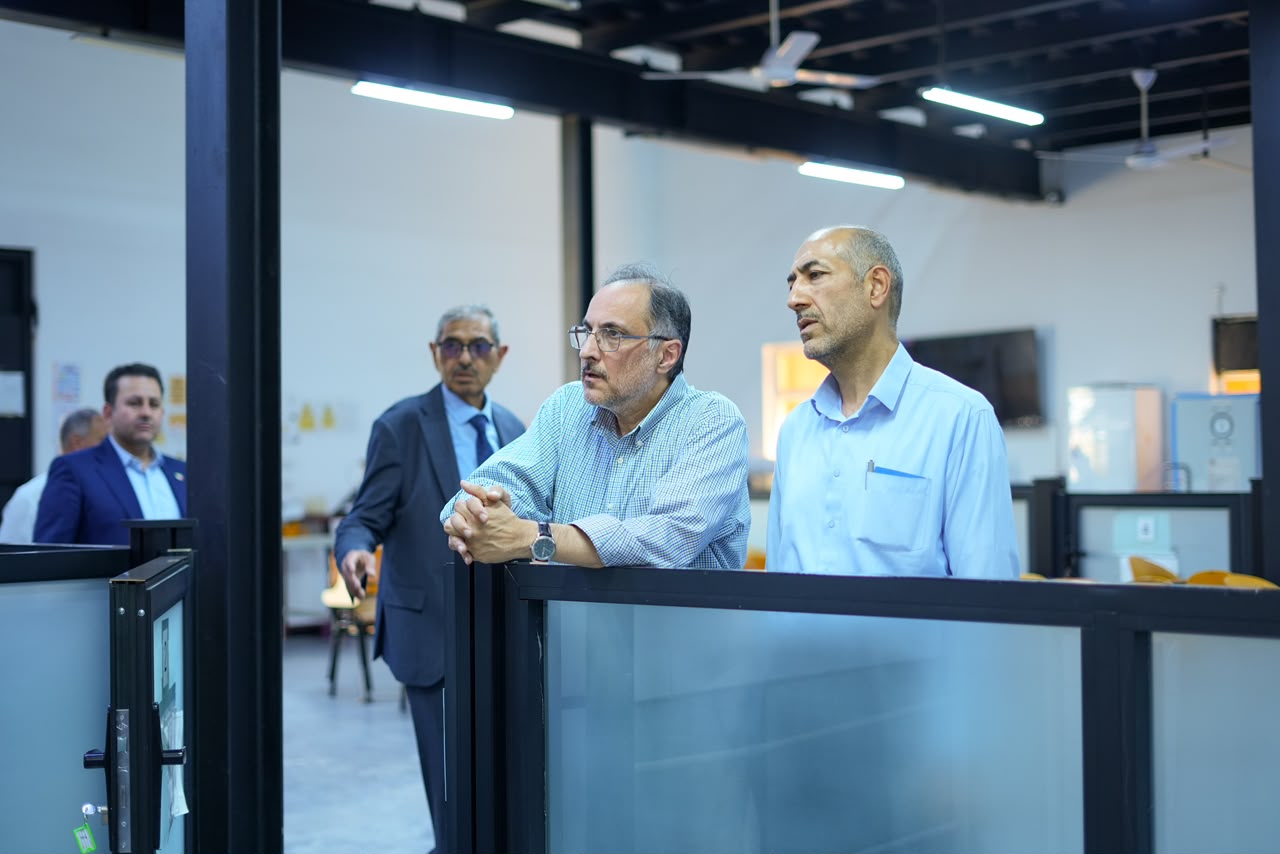
During the visit, SUT delegation also toured AFU’s educational infrastructure, including selected laboratories and facilities, as well as housing and amenities designated for visiting faculty members. Subsequent meetings with AFU officials focused on program implementation and finalizing arrangements for the official course commencement.

The first joint Master’s program in Mechatronics Engineering between SUT and AFU in Baghdad is scheduled to begin in October 2026, with faculty members from SUT’s Department of Mechanical Engineering delivering instruction in Baghdad.

International Summer School at RFTA

July 27 – August 7, 2026 | Moscow | Taught in English

The Russian Foreign Trade Academy invites international students to two immersive weeks in Moscow, combining Russian language study, negotiation workshops, cultural excursions, and lectures on the Russian economy and Eurasian integration — now with a new module on Modern Trends in International Law.

Participants stay in RFTA's central Moscow campus, build practical negotiation and cross-cultural skills, network with students worldwide, and receive a certificate of completion.

Fee: $1,100 (partner-university students) / $1,200 (all others) — includes accommodation, breakfast, study program and materials, and facility use. Flights, visa, and insurance not included.

Apply now: [Application link] Contact: rftainternational@vavt.ru | +7 (499) 143-12-79

Download PDF

International Summer Camp 2026 – Jizzakh Polytechnic Institute, Uzbekistan

Call for Applications – 3rd & 4th Year Bachelor Students

Sharif University of Technology is pleased to announce a competitive opportunity for our 3rd- and 4th-year bachelor students to attend the International Summer Camp 2026, hosted by Jizzakh Polytechnic Institute in Jizzakh, Uzbekistan, under the theme “Educational Tourism – New Knowledge, New Experience.”

Read More

Hong Kong University of Science and Technology – Internship Program

  • It allows students who are currently pursuing master’s program or senior-year UG study to join HKUST for 2-6 months for research.
  • Monthly allowance of up to HK$12,000 could be provided to students subject to funding availability.
  • For application procedures, please visit here.
  • Students may also find the info here useful to facilitate their arrangement of off-campus accommodation.